
Best Cheap Car Insurance Companies — Missouri
Free to compare
Why Multi-Car Households Need a Different Carrier Comparison
You manage two or more vehicles on one Missouri policy and you are comparing carriers based on advertised rates for single-car policies. That comparison does not answer your question. The carrier with the lowest single-car liability premium often prices uninsured motorist coverage differently when you add a second or third vehicle, and Missouri mandates UM on every car you insure.
The structural reality: Missouri requires you to carry uninsured motorist coverage at the same limits as your liability coverage unless you reject it in writing. With 20.7% of Missouri drivers uninsured — one in five vehicles on the road — most households do not reject UM. When you add a second vehicle, the UM premium on that vehicle stacks on top of the first, and carriers price that stacking differently.
“The carrier with the lowest single-car liability premium often prices UM differently when you add a second vehicle, and Missouri mandates UM on every car.”

See What Missouri Drivers Pay for the Coverage They Need
Get My Missouri Car Insurance Quote20.7%
Missouri Uninsured Motorist Rate
One in five Missouri drivers carries no insurance. Missouri law mandates uninsured motorist coverage at the same limits as your liability coverage unless you reject it in writing, and most multi-car households do not reject it.
NAIC Auto Insurance Database Report 2023
What Missouri Requires You to Carry on Every Vehicle
Missouri requires minimum liability limits of $25,000 per person for bodily injury, $50,000 per accident for bodily injury, and $25,000 per accident for property damage. These limits apply to every vehicle you register. Missouri does not require personal injury protection, but it does require uninsured motorist coverage at the same limits as your liability coverage unless you sign a written rejection.
When you insure multiple vehicles on one policy, each vehicle carries its own liability and UM coverage. The multi-car discount reduces the combined premium, but it does not reduce the per-vehicle coverage requirement. A household with three cars pays for liability and UM on all three cars. The discount applies to the total, not to the per-vehicle mandate.
The minimum-limit combination — $25,000/$50,000/$25,000 liability plus matching UM — is the floor. Many carriers will not write a multi-car policy at minimum limits if any vehicle is financed or leased, because the lienholder requires collision and comprehensive. If you own all your vehicles outright and carry only liability and UM, you can compare carriers on minimum-limit pricing. If any vehicle carries full coverage, the comparison becomes more complex, because collision and comprehensive premiums vary more widely across carriers than liability premiums do.
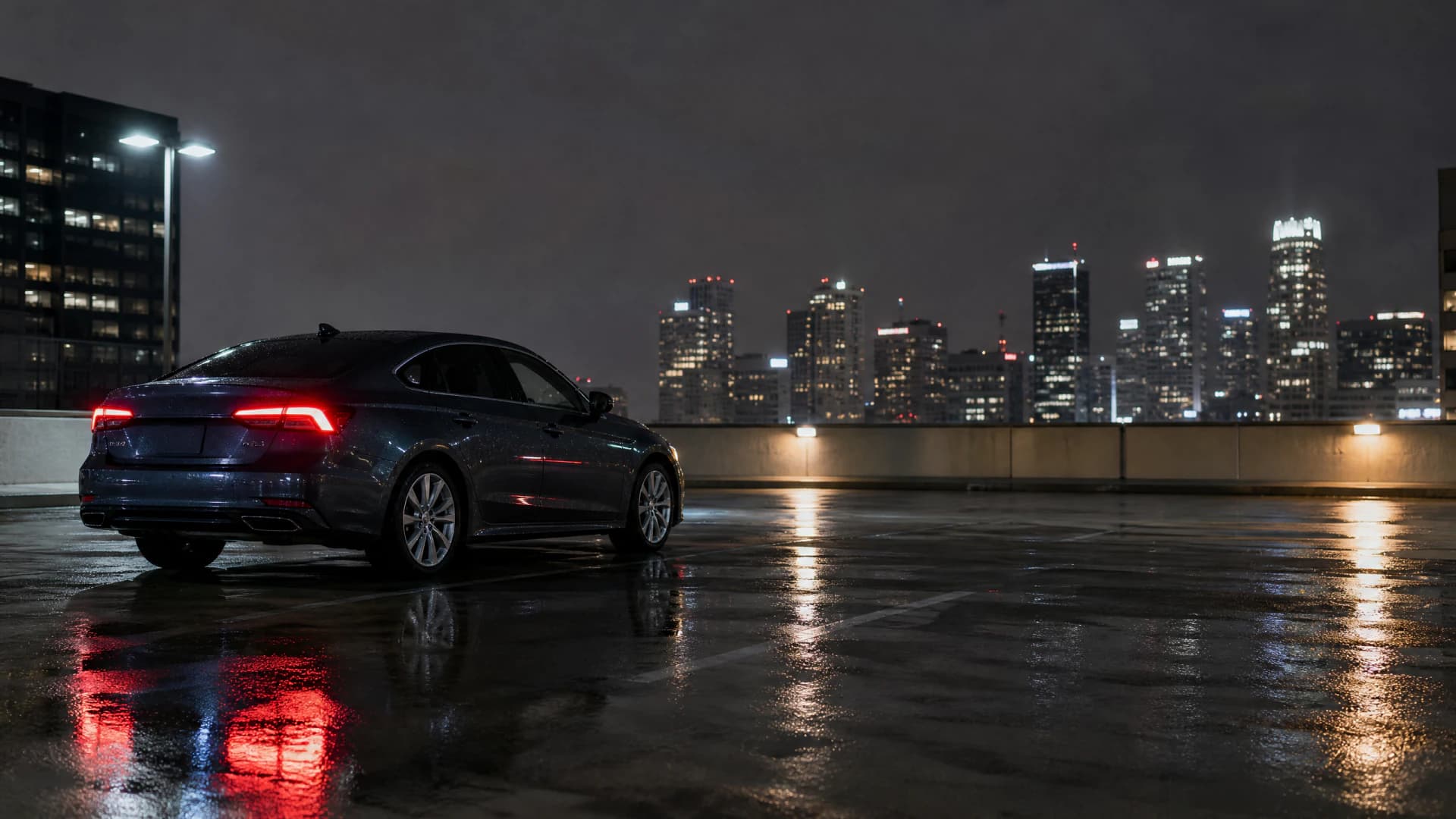
The carrier with the lowest liability quote for one car often prices UM and collision differently when you add a second vehicle, and Missouri mandates UM on every car.
Related Articles

Best Multi-Car Insurers in Missouri
7/15/2026
Choosing a Car Insurance Company in Missouri
7/15/2026
Cheapest Car Insurance Company in Missouri
7/15/2026
Full Coverage Carriers for Multi-Car Missouri
7/15/2026

Full Coverage Companies for Multi-Car in MO
7/15/2026

Cheapest Car Insurance Companies in Missouri
7/15/2026

How the Multi-Car Discount Works Across Carriers
The multi-car discount requires every vehicle to sit on the same policy. A household with two cars titled to two different people can place both cars on one policy if both people live at the same address and are listed as drivers on the policy. A household with three cars garaged at two addresses — for example, a college student's car garaged at school — may not qualify for the multi-car discount on the third vehicle, depending on the carrier's rules.
Carriers apply the discount to the total policy premium, not to each vehicle individually. When you add a second vehicle, the carrier re-rates the entire policy. The second vehicle's base premium is calculated, then the multi-car discount is applied to the combined total. A smaller discount on a lower base rate can produce a lower combined premium than a larger discount on a higher base rate.
Missouri does not regulate the size of the multi-car discount. Carriers set their own discount schedules. Some carriers apply a flat percentage to the combined premium; others apply a tiered discount that increases with the number of vehicles. A household adding a third or fourth vehicle should re-quote every two years, because the discount structure changes as the household grows.
Failure mode: if you add a vehicle mid-term, the carrier re-rates the policy immediately. The new premium applies from the date you add the vehicle, not from the next renewal. If the new combined premium exceeds your budget, you cannot remove the vehicle without canceling coverage on it entirely. Plan the timing of vehicle additions around your renewal date when possible.
$25,000 / $50,000 / $25,000
Missouri Minimum Liability Limits
Missouri requires $25,000 per person for bodily injury, $50,000 per accident for bodily injury, and $25,000 per accident for property damage. These limits apply to every vehicle you register.
Missouri Department of Revenue

When Full Coverage Changes the Carrier Comparison
If any vehicle on your policy carries collision and comprehensive coverage, the carrier comparison shifts. Liability and UM premiums vary by 20 to 30 percent across carriers for the same driver and vehicle.
A household with one financed vehicle and two owned vehicles pays for full coverage on the financed vehicle and liability-only on the other two. The combined premium depends more on the collision and comprehensive rates for the financed vehicle than on the liability rates for the owned vehicles. Compare carriers on the full-coverage vehicle first, then add the liability-only vehicles to the quote and check the combined total.
Deductible choices matter more on multi-car policies than on single-car policies. A $1,000 deductible lowers the combined premium but requires $1,000 out of pocket per vehicle per claim. Households that can cover a $1,000 deductible on any vehicle without financial strain should choose the higher deductible and bank the premium savings.
Compare Carriers That Write Your Household's Vehicle Mix
Not every carrier writes every vehicle type. Geico, Progressive, and State Farm write policies for sedans, SUVs, trucks, and minivans without restriction. USAA writes policies for military-affiliated households and accepts most vehicle types. Farmers and Allstate write policies for standard passenger vehicles but may decline to quote high-performance vehicles or vehicles with salvage titles.
If your household includes a vehicle older than 15 years, a vehicle with a rebuilt title, or a vehicle classified as high-performance, request quotes from carriers that specialize in non-standard vehicles. Bristol West, Dairyland, and The General write policies for households with older vehicles and non-standard titles. National General writes policies for households with mixed vehicle types and mixed driving records. Compare these carriers alongside the standard carriers to confirm you are seeing the lowest combined premium for your actual vehicle mix.
Missouri's average annual auto insurance expenditure per insured vehicle is $1,199.53. A household with two vehicles pays approximately twice that amount before the multi-car discount, then the discount reduces the combined total. A household with three vehicles pays approximately three times that amount before the discount. Use these figures as rough orientation, but request actual quotes from at least three carriers to confirm the combined premium for your household's specific vehicles, drivers, and coverage selections.

Request Quotes from Multiple Carriers Before You Commit
The cheapest multi-car policy for your household is the one that produces the lowest combined premium for your actual vehicles, drivers, and coverage selections. Generic carrier rankings do not answer that question. Request quotes from State Farm, Geico, Progressive, Allstate, and Farmers as your baseline comparison. If any household member has a violation or if any vehicle is financed, add quotes from USAA (if eligible), American Family, and Shelter. If any vehicle is older than 15 years or carries a non-standard title, add quotes from Bristol West, Dairyland, and National General. Compare the combined total premium, not the per-vehicle breakdown, because the multi-car discount applies to the total. Verify that every vehicle and every driver is listed on every quote, and that the coverage limits match across all quotes. The carrier with the lowest combined total for your household's actual mix is the best cheap carrier for you.
Which Carriers Write Multi-Car Policies in Missouri
Missouri's carrier roster includes 22 companies confirmed to write auto insurance in the state. Of those, 15 write SR-22 filings, which signals they write non-standard and high-risk policies in addition to standard policies. Multi-car households do not need SR-22 capability unless a household member has a violation, but the carrier's willingness to write non-standard policies often correlates with flexible underwriting for households with mixed driving records.
State Farm, Geico, Progressive, Allstate, and Farmers write the majority of multi-car policies in Missouri. All five offer online quoting, write policies with multiple vehicles, and advertise multi-car discounts. USAA writes multi-car policies for military-affiliated households and consistently prices UM coverage competitively across multiple vehicles. Auto-Owners, Shelter, and American Family write multi-car policies through independent agents and often quote lower combined premiums for households that bundle auto and home insurance.
Get Your Free Quote
Get My Missouri Car Insurance QuoteFrequently Asked Questions
Does Missouri require uninsured motorist coverage on every vehicle I insure?
Yes, unless you reject it in writing. Missouri law mandates uninsured motorist coverage at the same limits as your liability coverage. With 20.7% of Missouri drivers uninsured, most multi-car households do not reject UM. Each vehicle on your policy carries its own UM coverage.
Which carriers write the most competitive multi-car policies in Missouri?
State Farm, Geico, Progressive, Allstate, and Farmers write the majority of multi-car policies in Missouri and all offer online quoting. USAA writes competitive multi-car policies for military-affiliated households. Auto-Owners, Shelter, and American Family write multi-car policies through independent agents and often quote lower combined premiums for households that bundle auto and home insurance.
How does the multi-car discount apply when I add a second vehicle?
The multi-car discount applies to the total policy premium, not to each vehicle individually. When you add a second vehicle, the carrier re-rates the entire policy. The second vehicle's base premium is calculated, then the discount is applied to the combined total. Carriers set their own discount schedules; Missouri does not regulate the size of the discount.
Can I get the multi-car discount if my vehicles are garaged at different addresses?
It depends on the carrier's rules and the reason for the separate garaging address. A college student's car garaged at school may not qualify for the multi-car discount on some carriers' policies. A household with vehicles garaged at a primary and secondary residence may qualify if both addresses are listed on the policy. Request quotes from multiple carriers to confirm eligibility.
What happens to my premium if I add a vehicle mid-term?
The carrier re-rates the policy immediately. The new premium applies from the date you add the vehicle, not from the next renewal. If the new combined premium exceeds your budget, you cannot remove the vehicle without canceling coverage on it entirely. Plan the timing of vehicle additions around your renewal date when possible.
Should I choose a higher deductible on a multi-car policy?
A $1,000 deductible lowers the combined premium but requires $1,000 out of pocket per vehicle per claim. Households that can cover a $1,000 deductible on any vehicle without financial strain should choose the higher deductible and bank the premium savings.
Do all carriers write policies for older vehicles or vehicles with rebuilt titles?
No. Geico, Progressive, and State Farm write policies for standard passenger vehicles without restriction. Bristol West, Dairyland, and The General write policies for households with older vehicles and non-standard titles. If your household includes a vehicle older than 15 years or a vehicle with a rebuilt title, request quotes from carriers that specialize in non-standard vehicles.