
Minimum Coverage vs Full Coverage — Missouri
Free to compare
The Two-Car Coverage Decision
You own two cars in Missouri and you need to decide whether to carry the state's minimum liability on both, or add collision and comprehensive to one or both vehicles. The choice is not binary across the household. One car may justify full coverage while the other does not.
Missouri requires $25,000 per person and $50,000 per accident in bodily injury liability, plus $25,000 in property damage liability. The state also mandates uninsured motorist coverage at the same limits. That is the legal floor for every vehicle you own. Collision and comprehensive are optional, and the decision to add them should be made vehicle by vehicle based on what each car is worth and what you can afford to replace out of pocket.
“For a two-car household, full coverage on both vehicles doubles the collision and comprehensive premiums.”

See What Missouri Drivers Pay for the Coverage They Need
Get My Missouri Car Insurance Quote$25,000/$50,000/$25,000
Missouri Minimum Liability
Missouri Revised Statutes require every driver to carry at least $25,000 per person, $50,000 per accident in bodily injury liability, and $25,000 in property damage liability. Uninsured motorist coverage is also mandatory at the same limits.
Missouri Department of Revenue
What Minimum Coverage Actually Covers
Minimum coverage pays for damage you cause to other people and their property. It does not pay to repair or replace your own vehicle after an accident, theft, vandalism, or weather damage. If you total your car and carry only minimum liability, you receive nothing from your insurer.
Uninsured motorist coverage, which Missouri mandates, steps in when the at-fault driver has no insurance or insufficient coverage. It protects you and your passengers for medical bills and lost wages. It does not repair your car.
For a household with two cars, minimum coverage makes sense on a vehicle you can afford to replace with cash. If losing the car would force you into debt or leave you without transportation, minimum coverage is a gamble.
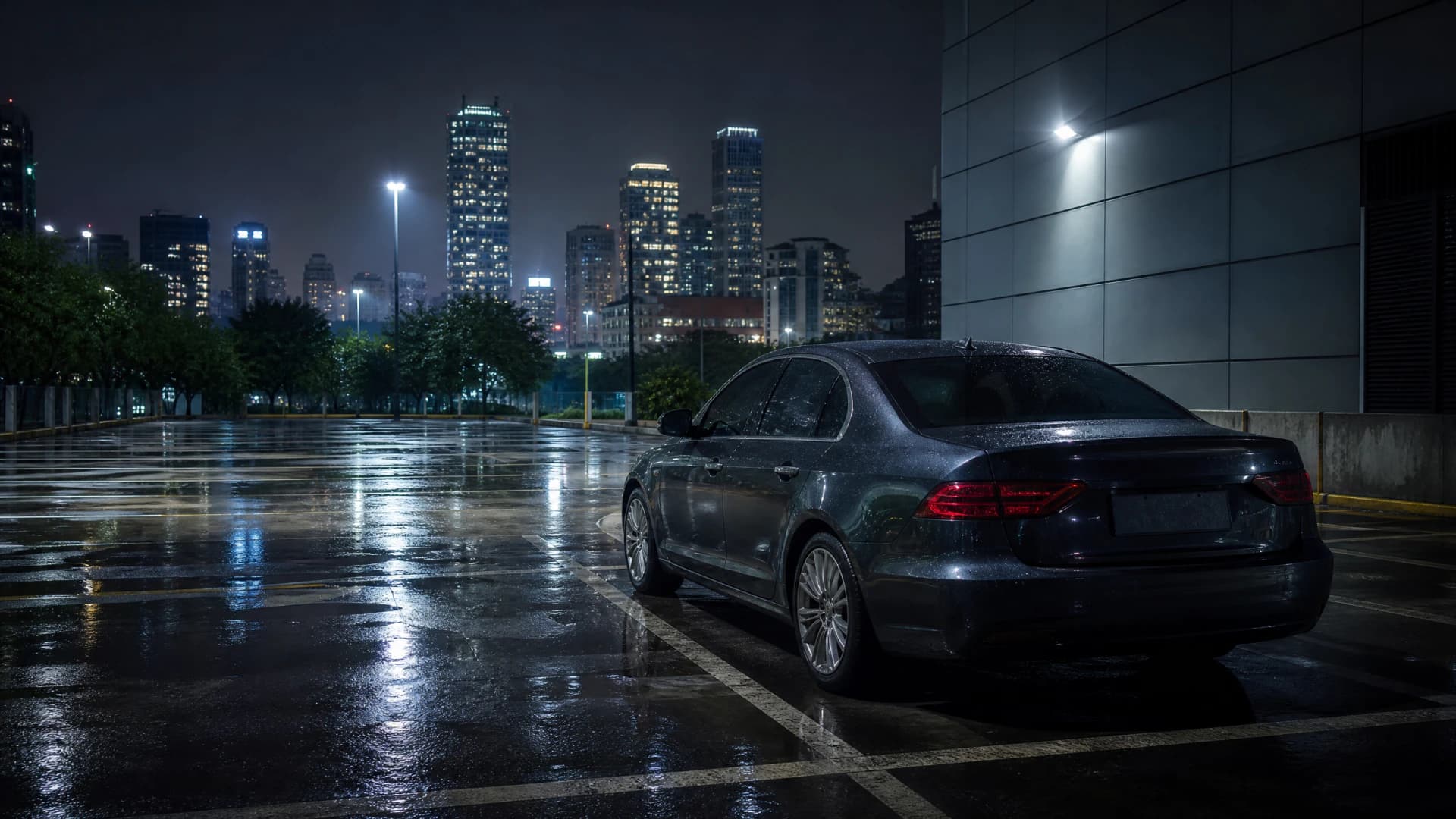
Minimum coverage leaves you financially responsible for repairing or replacing your own vehicle after any accident, theft, or weather event.
Related Articles






Structuring Coverage Across Two Vehicles
Carriers let you structure coverage differently for each vehicle on the same policy. You can carry full coverage on the newer car and minimum liability on the older one. The multi-car discount applies to the entire policy, not vehicle by vehicle, so you keep the discount even when coverage levels differ.
When you add or remove collision and comprehensive mid-term, the carrier re-rates the policy immediately. The change is not prorated across the remaining term; the new premium takes effect on the date you request the change. If you drop collision on the older car three months into a six-month term, your premium drops for the remaining three months.
Missouri law does not require collision or comprehensive on a vehicle you own outright. If you financed either car, the lender requires both coverages until the loan is paid off. Once the loan closes, you can drop collision and comprehensive without violating the finance agreement.
20.7%
Missouri Uninsured Motorist Rate
One in five Missouri drivers carries no insurance. Uninsured motorist coverage, which the state mandates, protects you when an at-fault driver cannot pay for the damage they cause.
Insurance Research Council, 2023

When to Drop Collision and Comprehensive
A common rule: drop collision and comprehensive when the vehicle's value falls below ten times the annual cost of those coverages. You would recover the car's value in claims over eight years, but the car will not last that long.
For households with two cars, this calculation runs separately for each vehicle. The newer car may justify full coverage for another five years. The older car may have crossed the threshold two years ago. Dropping coverage on one vehicle does not affect the other's protection or the multi-car discount.
Compare Carriers That Write Multi-Car Policies in Missouri
Missouri households insuring two or more vehicles can compare coverage options and structure from carriers writing multi-car policies statewide. Missouri car insurance requirements lists carriers licensed in the state, the coverages they write, and whether they offer online quotes or require an agent. Allstate, American Family, Farmers, Geico, Progressive, State Farm, and USAA all write multi-car policies in Missouri and let you structure collision and comprehensive separately for each vehicle.
When you request quotes, specify the year, make, and model of each vehicle and the coverage level you want for each. Carriers price collision and comprehensive based on the car's value, age, and repair cost. A quote that bundles both cars at the same coverage level will not show you what minimum coverage on one vehicle and full coverage on the other would cost. Ask for both structures and compare the difference.
What Full Coverage Adds
Collision coverage pays to repair or replace your vehicle after an accident, regardless of who was at fault. You pay a deductible first—typically $500 or $1,000—and the insurer covers the rest up to the car's actual cash value. Comprehensive coverage pays for damage from non-collision events: theft, vandalism, hail, flood, fire, hitting a deer. It also carries a deductible.
For a two-car household, full coverage on both vehicles doubles the collision and comprehensive premiums. The newer car justifies the coverage; the older one does not.
Get Your Free Quote
Get My Missouri Car Insurance QuoteFrequently Asked Questions
Can I carry full coverage on one car and minimum coverage on the other in Missouri?
Yes. Missouri carriers let you structure coverage differently for each vehicle on the same policy. You can carry collision and comprehensive on the newer car and only liability on the older one. The multi-car discount applies to the entire policy regardless of coverage differences.
Does Missouri require collision and comprehensive coverage?
No. Missouri requires liability coverage of $25,000/$50,000/$25,000 and uninsured motorist coverage at the same limits. Collision and comprehensive are optional unless your lender requires them as a condition of the loan.
What happens to my premium if I drop collision on one car mid-term?
The carrier re-rates your policy immediately. The premium drops for the remaining term. If you drop collision three months into a six-month term, the lower premium applies to the final three months.
How do I know when to drop collision and comprehensive on an older car?
A common rule: drop collision and comprehensive when the car's value falls below ten times the annual cost of those coverages.
Does dropping collision on one car affect the multi-car discount?
No. The multi-car discount applies to the policy as a whole, not to individual vehicles. Dropping collision or comprehensive on one car does not reduce the discount or affect coverage on the other vehicle.