
Minimum Coverage Car Insurance — Missouri
Free to compare
What Missouri Requires You to Carry
Missouri law requires every driver to carry liability insurance with minimum limits of $25,000 per person for bodily injury, $50,000 per accident for bodily injury, and $25,000 per accident for property damage. The state also mandates uninsured-motorist coverage at the same limits. You cannot register a vehicle, renew your registration, or legally drive without both.
These are not recommendations. They are statutory minimums enforced by the Missouri Department of Revenue's Driver License Bureau. If you are stopped without proof of insurance meeting these limits, you face a citation, potential license suspension, and reinstatement fees. The state does not accept partial coverage or out-of-state policies that fall below Missouri's floor.
“Missouri mandates uninsured-motorist coverage at the same limits as liability — you cannot waive it without written consent, and most carriers will not let you drop it.”

See What Missouri Drivers Pay for the Coverage They Need
Get My Missouri Car Insurance Quote20.7%
Missouri Uninsured Motorists
One in five Missouri drivers carries no insurance at all, which is why the state mandates uninsured-motorist coverage as part of the minimum requirement. Your policy must protect you when an at-fault driver cannot pay.
Insurance Information Institute, 2023
The Two-Part Compliance Floor
Missouri's minimum coverage is not a single product. It is a two-part requirement: liability coverage that pays the other driver when you cause an accident, and uninsured-motorist coverage that pays you when an uninsured driver hits you. Both must be present on your policy at the state's minimum limits or higher.
Liability coverage is straightforward. The 25/50/25 limits mean your insurer pays up to $25,000 for one person's injuries, $50,000 total per accident for all injured parties, and $25,000 for property damage you cause. If damages exceed those limits, you pay the difference out of pocket.
Uninsured-motorist coverage is the second half. It covers your own injuries and your passengers' injuries when an at-fault driver has no insurance or insufficient coverage. Missouri requires this coverage at the same 25/50/25 limits. You cannot waive it unless you do so in writing, and most carriers will not let you drop it below the statutory floor.
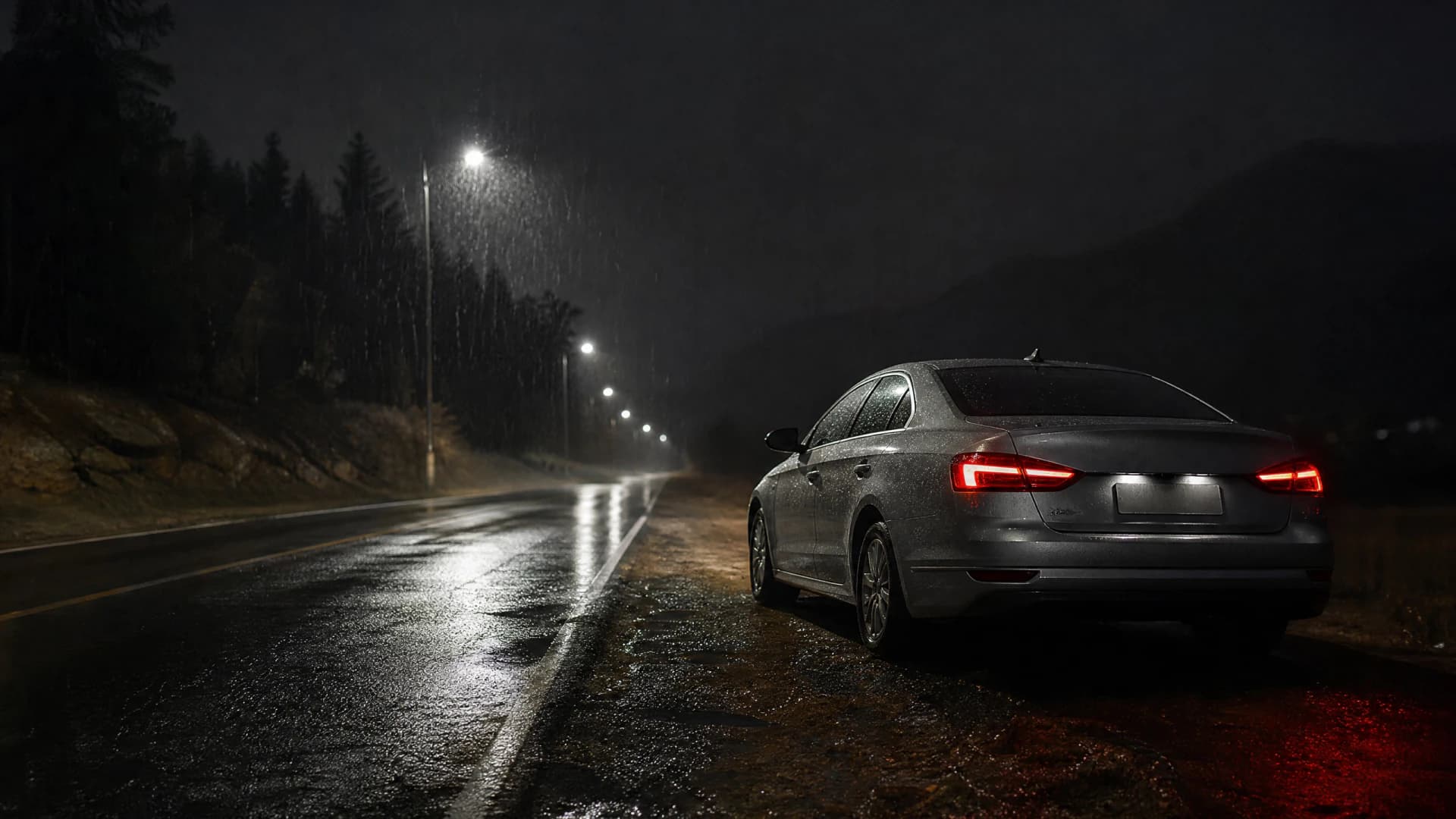
Missouri does not allow you to register or renew a vehicle without proof that both liability and uninsured-motorist coverage are active on your policy.



How Carriers Price Minimum Coverage in Missouri
Carriers price minimum coverage based on your driving record, age, location, vehicle, and credit score where Missouri law permits. A clean record in a rural county costs less than the same coverage in St. Louis or Kansas City, where accident frequency and theft rates are higher. Violations, at-fault accidents, and lapses in prior coverage increase your premium significantly.
The state's 20.7% uninsured-motorist rate drives up the cost of the mandatory uninsured-motorist coverage portion of your policy. Carriers price that coverage based on the likelihood they will pay a claim when an uninsured driver hits you, and Missouri's high uninsured rate makes that likelihood greater than in states with lower uninsured populations.
Comparing carriers is the only way to find the lowest premium for the same coverage. Missouri licenses 28 carriers that write standard and non-standard auto insurance, and their pricing models vary widely. One carrier may price your risk profile lower than another even though both offer identical 25/50/25 liability and uninsured-motorist coverage.
$1,199.53
Missouri Average Annual Auto Premium
The average Missouri driver spent $1,199.53 per insured vehicle in 2023. Minimum coverage costs less than full coverage, but your actual premium depends on your driving history, location, and the carrier you choose.
NAIC Auto Insurance Database Report, 2023

Proof of Insurance and Enforcement
Missouri requires you to carry proof of insurance in your vehicle at all times. Acceptable proof includes an insurance card issued by your carrier, a digital insurance card displayed on your phone, or a certificate of insurance. Law enforcement can request proof at any traffic stop, and failure to produce it results in a citation even if you are insured.
The Missouri Department of Revenue monitors insurance compliance through a data-sharing system with carriers. If your policy lapses or is canceled, your carrier reports the lapse to the state, and the Department of Revenue may suspend your registration and your driving privilege.
When to Add Coverage Beyond the Minimum
If you own a vehicle worth more than a few thousand dollars, minimum coverage leaves you financially exposed. Collision and comprehensive coverage protect your vehicle's value, and higher liability limits protect your assets if you cause a serious accident. Missouri's 25/50/25 minimums are low compared to the cost of a multi-vehicle accident or a severe injury claim.
If you finance or lease a vehicle, your lender will require collision and comprehensive coverage as a condition of the loan. Minimum coverage alone will not satisfy the lender's requirements, and driving without the required coverage can trigger a forced-place policy at a much higher cost. Full coverage typically includes liability at higher limits, collision, comprehensive, and uninsured-motorist coverage at levels that protect both you and the lender.

Compare Carriers to Meet Missouri's Requirements
Missouri's minimum coverage requirement is non-negotiable, but the carrier you choose is not. Carriers licensed to write in Missouri include State Farm, Geico, Progressive, Allstate, Farmers, USAA, Nationwide, Travelers, and 20 others, and their pricing for the same 25/50/25 liability and uninsured-motorist coverage varies by hundreds of dollars per year. Compare quotes from multiple carriers to find the lowest premium that meets the state's two-part compliance floor. Start with carriers that write your risk profile and location, and confirm that every quote includes both liability and uninsured-motorist coverage at Missouri's required minimums.
What Minimum Coverage Does Not Pay For
Minimum coverage does not pay for damage to your own vehicle. If you cause an accident, your liability coverage pays the other driver's repair bill, but your car is not covered. If an uninsured driver hits you, your uninsured-motorist coverage pays your medical bills, but it does not pay to fix your car unless you add uninsured-motorist property damage coverage, which Missouri does not require.
Minimum coverage also does not cover comprehensive or collision losses. If your car is stolen, vandalized, damaged by hail, or totaled in a single-vehicle accident, you receive nothing unless you carry optional comprehensive and collision coverage. For drivers financing a vehicle, lenders typically require both, which means minimum coverage alone will not satisfy the loan agreement.
Get Your Free Quote
Get My Missouri Car Insurance QuoteFrequently Asked Questions
What is the minimum car insurance required in Missouri?
Missouri requires liability coverage with limits of $25,000 per person for bodily injury, $50,000 per accident for bodily injury, and $25,000 for property damage. The state also mandates uninsured-motorist coverage at the same 25/50/25 limits. Both coverages must be active on your policy to register and drive legally.
Does Missouri require uninsured motorist coverage?
Yes. Missouri law mandates uninsured-motorist coverage at the same limits as liability: 25/50/25. You cannot waive this coverage unless you do so in writing, and most carriers will not allow you to drop it below the statutory minimum. The requirement exists because 20.7% of Missouri drivers carry no insurance.
What happens if I drive without insurance in Missouri?
If you are stopped without proof of insurance, you face a citation and potential license suspension. If your policy lapses, your carrier reports the lapse to the Missouri Department of Revenue, which may suspend your registration and driving privilege.
Does minimum coverage pay for damage to my own car in Missouri?
No. Missouri's minimum liability and uninsured-motorist coverage pays for injuries and property damage you cause to others, and for your injuries when an uninsured driver hits you. It does not cover damage to your own vehicle. You need collision and comprehensive coverage to protect your car from accident damage, theft, or weather-related losses.
Can I get cheaper car insurance than Missouri's minimum coverage?
No. Missouri's 25/50/25 liability and uninsured-motorist minimums are the legal floor. You cannot carry less and remain compliant. You can compare carriers to find the lowest premium for the required coverage, but you cannot reduce the coverage limits below the state's mandate.
How much does minimum coverage cost in Missouri?
Minimum coverage cost varies by carrier, driving record, age, location, and vehicle. Missouri's average annual auto insurance expenditure was $1,199.53 per insured vehicle in 2023, but minimum coverage costs less than full coverage. Compare quotes from multiple carriers to find the lowest premium for your risk profile.
Do I need SR-22 insurance to meet Missouri's minimum coverage requirement?
Not unless the Missouri Department of Revenue has ordered you to file an SR-22 certificate. SR-22 is not insurance; it is a certificate your carrier files with the state proving you carry at least the minimum required coverage. You need SR-22 only after certain violations, suspensions, or judgments. If you have not been ordered to file one, standard minimum coverage is sufficient.