
Progressive Multi-Car Insurance — Missouri
Free to compare
Progressive Multi-Car Discount Structure in Missouri
You're adding a second or third vehicle to your Missouri auto policy and want to know whether Progressive's multi-car discount saves more than your current carrier's structure. Progressive writes standard-tier auto insurance in Missouri with online quote capability, SR-22 filing support, and non-owner policies. The carrier's multi-car discount applies when every vehicle in your household sits on one policy under one named insured — not when vehicles are split across separate policies, even if both policies are with Progressive.
Missouri households combining two existing policies after marriage, adding a vehicle titled to a household member, or insuring a teenager's car face the same structural blocker: the multi-car discount requires same-policy consolidation. A vehicle titled to someone outside the named insured often cannot be added without re-titling or creating a separate policy, which forfeits the discount. Progressive is one of 21 carriers writing auto insurance in Missouri; comparing how each structures multi-vehicle discounts and same-policy requirements tells you whether Progressive's approach fits your household or whether another carrier writes a better deal for your specific vehicle count and titling situation.
“Progressive's multi-car discount applies when every vehicle sits on one policy under one named insured — vehicles split across separate policies forfeit the discount.”
See What Missouri Drivers Pay for the Coverage They Need
Get My Missouri Car Insurance Quote21 carriers
Missouri Auto Insurance Market
Missouri's auto insurance market includes 21 carriers writing standard, preferred, and non-standard policies. Progressive competes in the standard tier alongside State Farm, Geico, Allstate, and Farmers. Comparing multi-car discount structures across carriers in your tier shows whether Progressive's same-policy requirement costs more or less than competitors' approaches.
Missouri Department of Insurance carrier roster
What Progressive's Same-Policy Requirement Means for Missouri Households
Progressive's multi-car discount applies when every vehicle you insure sits on one policy. Two cars on one policy qualify. Three cars split across two policies — even if both are Progressive policies — do not. The discount is policy-level, not household-level. Missouri households adding a second vehicle mid-term trigger a policy re-rate that recalculates the premium for both vehicles together, not a flat add-on amount. The re-rate reflects the multi-car discount, but only if both vehicles sit on the same policy under the same named insured.
A vehicle titled to a household member who is not the named insured on your policy creates a structural problem. Progressive typically requires the vehicle's titled owner to be a named insured on the policy covering that vehicle. If your spouse owns a car titled in their name and you own a car titled in yours, combining both onto one policy usually requires one of you to be added as a co-owner or named insured. Some carriers allow cross-titling more flexibly than others; Progressive's underwriting rules in Missouri follow standard industry practice, which means titled ownership and named-insured status must align.
Missouri does not require vehicles garaged at the same address to sit on one policy, but most carriers — including Progressive — apply the multi-car discount only when vehicles share both a policy and a garaging address. A household with one car garaged in St. Louis and another in Kansas City may not qualify for the discount even if both are on one policy, depending on how Progressive's underwriting treats split-garaging situations. Verify garaging-address rules with Progressive directly when your household's vehicles are garaged in different cities.
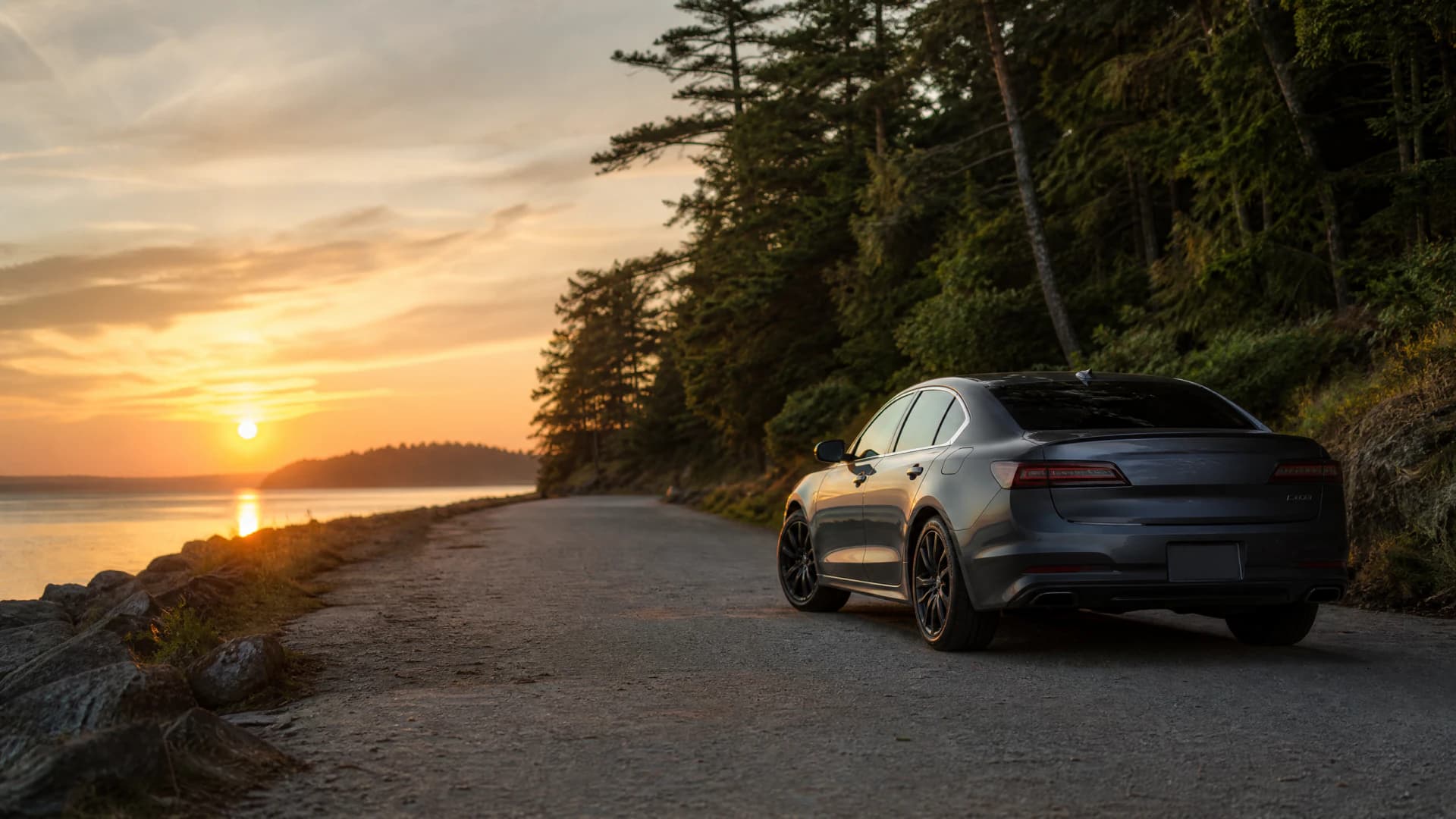
Progressive's multi-car discount requires every vehicle on one policy under one named insured. Vehicles titled to different household members or garaged at separate addresses often cannot consolidate without re-titling or losing the discount.
Related Articles


Comparing Progressive's Multi-Car Structure to Other Missouri Carriers
Progressive is one of 21 carriers writing auto insurance in Missouri. State Farm, Geico, Allstate, Farmers, and Nationwide also write multi-car policies in Missouri's standard tier. Each carrier structures its multi-car discount differently: some apply the discount as a percentage off each vehicle's premium, others reduce the base rate before calculating the premium, and a few apply a flat dollar reduction per additional vehicle. Progressive's approach is percentage-based, applied after the base premium is calculated. A smaller percentage discount on a lower base rate can produce a lower total premium than a larger percentage discount on a higher base rate.
Missouri households insuring three or more vehicles should compare carriers that write non-standard and preferred tiers in addition to standard-tier carriers like Progressive. Bristol West, Dairyland, The General, and GAINSCO write non-standard policies in Missouri and may offer better multi-car structures for households with mixed driving records. Auto-Owners, USAA, and Amica write preferred-tier policies and typically require clean driving records but may offer steeper multi-car discounts than standard-tier carriers. Comparing across tiers shows whether Progressive's standard-tier discount beats a non-standard carrier's structure or falls short of a preferred carrier's rate.
Missouri does not regulate multi-car discount amounts. Carriers set their own discount structures, and those structures vary by vehicle count, driver count, coverage selections, and garaging address. A household adding a third vehicle to a Progressive policy may see a larger incremental discount than a household adding a second vehicle, or the discount may flatten after two vehicles. Progressive's specific discount schedule is proprietary and varies by state; Missouri-specific discount amounts are not published. Request quotes from multiple carriers to compare actual premiums rather than advertised discount percentages.
Households combining two existing policies after marriage or a move should compare the combined premium under one policy to the sum of two separate policies. Combining policies triggers a re-rate that recalculates premiums for both vehicles together, applying the multi-car discount but also re-evaluating each driver's risk profile, garaging address, and coverage selections. A combined policy is not always cheaper than two separate policies, especially when one driver carries a violation or accident history that raises the combined policy's base rate. Progressive allows online quotes for multi-car policies; run both scenarios — combined and separate — to see which produces the lower total premium.
$25,000 / $50,000 / $25,000
Missouri Minimum Liability Limits
Missouri requires $25,000 per person, $50,000 per accident for bodily injury, and $25,000 for property damage. These limits apply per vehicle. Households insuring multiple vehicles often choose higher limits to cover combined exposure across all cars on the policy.
Missouri Department of Revenue
Adding a Vehicle Mid-Term to Your Progressive Policy in Missouri
Missouri carriers typically provide a grace period — often 14 to 30 days — during which a newly purchased vehicle is automatically covered under your existing policy's terms. Progressive's grace period applies when you already insure at least one vehicle on an active policy. You must report the new vehicle to Progressive within the grace window to maintain coverage. Missing the window can result in a coverage gap, and an unreported vehicle involved in an accident during the gap may be denied at claim time.
Adding a vehicle mid-term triggers a policy re-rate. Progressive recalculates the premium for all vehicles on the policy, applies the multi-car discount, and issues a revised premium effective the date you added the vehicle. The revised premium is not simply your old premium plus the new vehicle's cost; it is a new combined premium that reflects the multi-car discount applied to both vehicles together. Missouri law requires carriers to prorate premiums when you add or remove a vehicle mid-term, so you pay only for the portion of the term each vehicle is covered.
Compare Missouri Carriers Writing Multiple Vehicles
Progressive writes multi-car policies in Missouri with same-policy discount requirements that match industry standard practice. Whether Progressive's structure produces the lowest premium for your household depends on your vehicle count, driver count, garaging addresses, and whether your vehicles are titled to one person or split across household members. Missouri's 21-carrier market includes standard, preferred, and non-standard options; comparing quotes across tiers shows whether Progressive's rate beats competitors or whether another carrier writes a better deal for your specific household structure. Request quotes that include your actual vehicle count, driver assignments, and coverage selections — advertised discount percentages do not translate directly to your household's premium. Missouri's minimum liability requirements and uninsured motorist mandate apply to every vehicle on your policy; verify that your comparison quotes meet state requirements and cover your household's total exposure across all cars.
How Missouri Minimum Liability Limits Apply Across Multiple Vehicles
When you insure two or three vehicles on one Progressive policy in Missouri, each vehicle carries its own liability limits. A two-car policy with state minimum coverage means each car is covered to $25,000/$50,000/$25,000. The limits do not stack — if both cars are involved in separate accidents on the same day, each accident is covered to the per-vehicle limit, not a combined household limit. Missouri law does not require higher liability limits for households insuring multiple vehicles, but carriers often recommend increasing limits when total household exposure rises.
Progressive writes policies above Missouri's minimum limits. Missouri also requires uninsured motorist coverage, which protects you when another driver lacks insurance. Missouri's uninsured motorist rate is 20.7 percent, meaning one in five drivers on Missouri roads carries no insurance. Uninsured motorist coverage applies per vehicle on your policy, just like liability limits.
Get Your Free Quote
Get My Missouri Car Insurance QuoteFrequently Asked Questions
Does Progressive offer a multi-car discount in Missouri?
Yes. Progressive applies a multi-car discount when you insure two or more vehicles on one policy under one named insured. The discount is policy-level, not household-level, so vehicles split across separate Progressive policies do not qualify even if both policies are with Progressive.
Can I add my spouse's car to my Progressive policy in Missouri?
You can add your spouse's car if the vehicle is titled to you, your spouse is added as a named insured on your policy, or you co-own the vehicle. Progressive typically requires the vehicle's titled owner to be a named insured on the policy covering that vehicle. Verify titling and named-insured requirements with Progressive before adding the vehicle.
How long do I have to report a new vehicle to Progressive in Missouri?
Progressive typically provides a 14- to 30-day grace period during which a newly purchased vehicle is automatically covered under your existing policy. You must report the new vehicle within the grace window to maintain coverage. Missing the window can result in a coverage gap and claim denial.
Does adding a second car to my Progressive policy lower my rate in Missouri?
Adding a second car triggers a policy re-rate that recalculates the premium for both vehicles together, applying the multi-car discount. The combined premium is not your old premium plus the new vehicle's cost; it is a new rate that reflects the discount applied to both cars. Whether the per-vehicle rate drops depends on the discount amount and the new vehicle's characteristics.
What are Missouri's minimum liability limits for multiple vehicles?
Missouri requires $25,000 per person, $50,000 per accident for bodily injury, and $25,000 for property damage per vehicle. These limits apply to each car on your policy, not as a combined household limit. Missouri also requires uninsured motorist coverage, which applies per vehicle.
Can I insure vehicles garaged at different addresses on one Progressive policy in Missouri?
Progressive typically requires vehicles on one policy to share a garaging address to qualify for the multi-car discount. Vehicles garaged in different cities may not qualify even if they sit on one policy. Verify garaging-address rules with Progressive when your household's vehicles are garaged at separate locations.
How does Progressive's multi-car discount compare to other Missouri carriers?
Progressive is one of 21 carriers writing auto insurance in Missouri. Each carrier structures its multi-car discount differently — some apply a percentage off each vehicle, others reduce the base rate, and a few apply a flat dollar reduction. Comparing actual quoted premiums across carriers shows whether Progressive's structure produces the lowest total cost for your household.