The Multi-Vehicle Coverage Decision
You own two or three cars in Missouri. One is newer, financed, or worth enough that losing it would hurt. Another is older, paid off, maybe driven less. Your carrier offers liability-only or full coverage for each vehicle, and you're trying to figure out whether every car needs the same level of protection or whether you can structure coverage differently across the policy.
The structural reality: Missouri law requires liability coverage on every registered vehicle—$25,000 per person for bodily injury, $50,000 per accident, and $25,000 for property damage—but does not mandate collision or comprehensive. A single policy can carry full coverage on one vehicle and liability-only on another. The decision hinges on each car's value, your household's financial position, and how losing that specific vehicle would affect your ability to function.
Compare car insurance rates in your state
Get quotes from licensed carriers — no obligation, no spam, results in minutes.
Get Your Free QuoteMissouri Liability Minimum
$25,000/$50,000/$25,000
Every vehicle registered in Missouri must carry at least $25,000 bodily injury per person, $50,000 per accident, and $25,000 property damage. This is the floor, not a recommendation—most households with multiple vehicles carry higher limits to protect household assets.
Missouri Department of Revenue
What Liability-Only Actually Covers
Liability-only coverage pays for damage you cause to other people and their property. If you rear-end another driver, liability pays for their car repair and medical bills up to your policy limits. It does not pay to repair your own vehicle. If your car is totaled in an at-fault accident, you receive nothing from your insurer.
Missouri requires uninsured motorist coverage on every policy unless you reject it in writing. That coverage protects you when another driver hits you and has no insurance or insufficient limits. It does not cover your own vehicle damage—only your medical bills and lost wages. Your car still sits damaged or totaled.
For an older vehicle worth less than a few thousand dollars, this structure can make sense. The car's replacement cost is low enough that self-insuring—paying out of pocket if it's totaled—is manageable.
What Full Coverage Adds
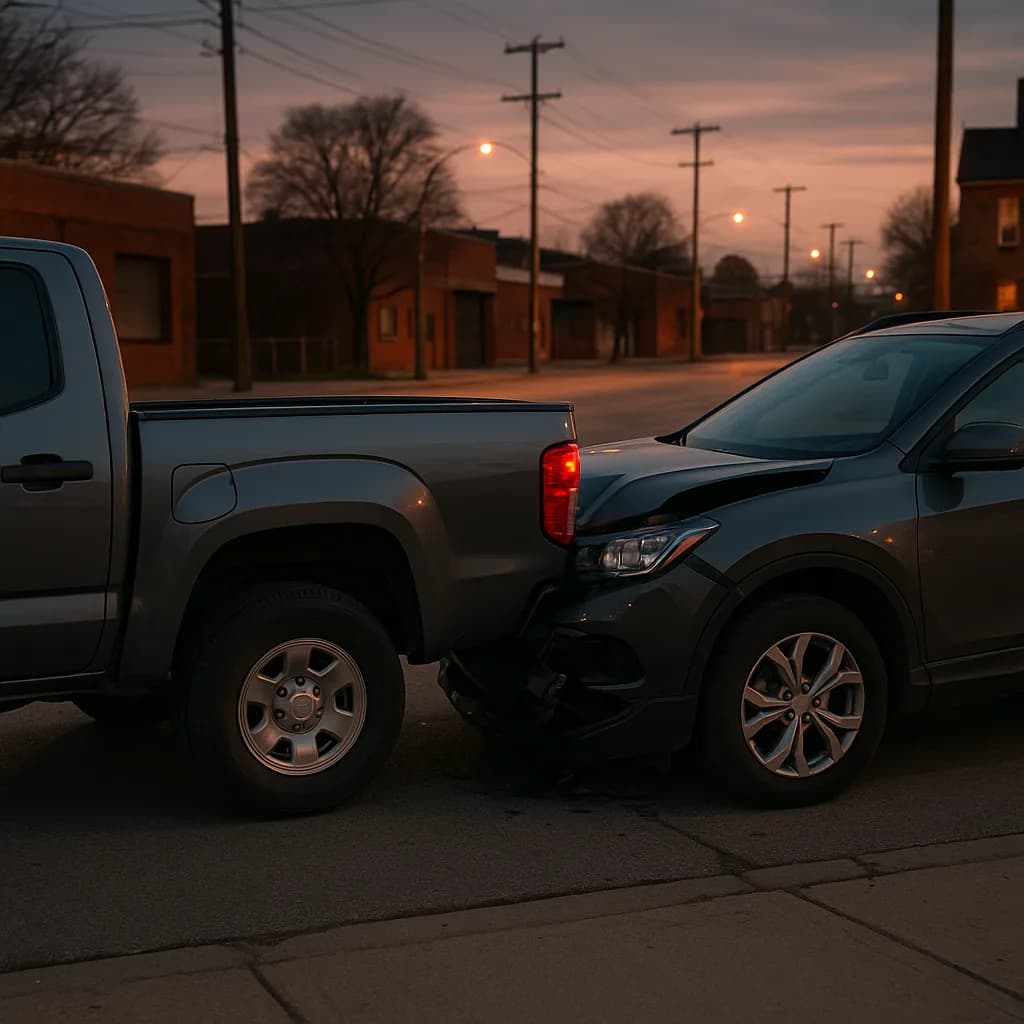
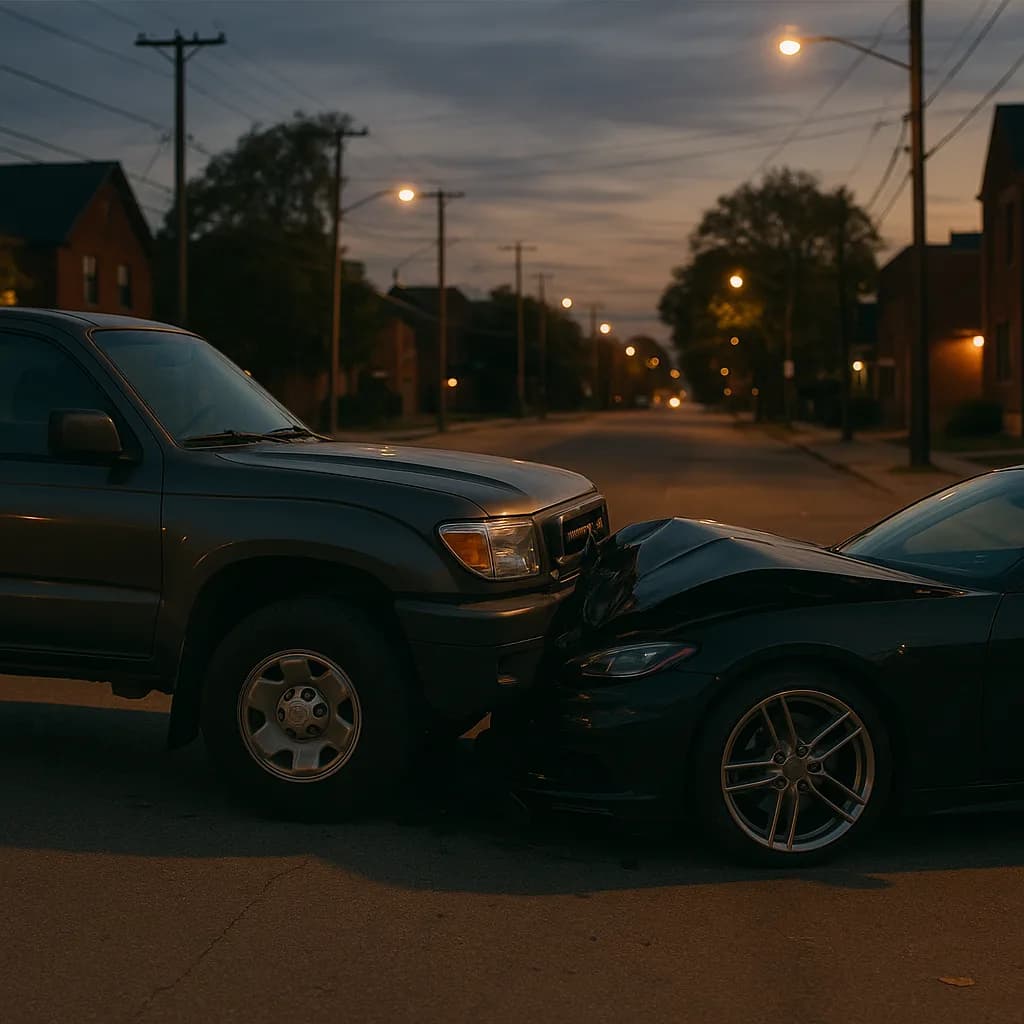
Collision coverage pays to repair or replace your vehicle after an accident, regardless of who caused it. You hit a guardrail, you back into a pole, another driver runs a red light and hits you but has no insurance—collision pays your claim minus your deductible. The other driver's liability would pay first if they're at fault and insured, but collision fills the gap when they're not.
Comprehensive coverage pays for non-collision losses: theft, vandalism, hail, flood, fire, hitting a deer. Missouri sees significant weather-related claims—hail in the spring, ice storms in winter, flooding along the Missouri and Mississippi river corridors. Comprehensive pays to replace a stolen vehicle or repair storm damage. Without it, you pay the full loss yourself.
Related Articles



Structuring Coverage Across Multiple Vehicles
A household policy in Missouri can carry different coverage levels on different vehicles. Your 2022 sedan financed through a credit union must carry full coverage—the lender requires it as a condition of the loan. The multi-car discount applies to the entire policy regardless of coverage mix.
The decision point: does the vehicle's value justify the collision and comprehensive premium? A common rule of thumb is that when annual collision and comprehensive premiums exceed 10% of the vehicle's actual cash value, liability-only becomes the more rational choice. Over three years, you've paid more in premiums than the car is worth.
Deductibles matter. Collision and comprehensive each carry a deductible—typically $500 or $1,000. If the vehicle is totaled, you receive actual cash value minus the deductible. For lower-value vehicles, the net payout shrinks quickly.
Lender and lease requirements override this analysis. If any vehicle on your policy is financed or leased, the lender or leasing company will require full coverage as a condition of the contract. You cannot drop collision or comprehensive on that vehicle until the loan is paid off or the lease ends. The other vehicles on the policy remain your choice.
Missouri Uninsured Motorist Rate
20.7%
One in five Missouri drivers carries no insurance. Collision coverage protects you when an uninsured driver causes an accident and cannot pay for your vehicle damage. Without it, you're left with an out-of-pocket loss.
Insurance Information Institute, 2023
When Liability-Only Fails
Liability-only works when you can afford to replace the vehicle out of pocket without disrupting household finances. It fails when the vehicle's loss creates a mobility gap you cannot fill. If your household depends on two cars to get to work, school, and errands, losing one vehicle and having no claim payout to replace it leaves you scrambling for a down payment, financing, or a sudden cash purchase.
Missouri's uninsured motorist rate is above the national average. An uninsured driver totals your car, and you have no collision coverage—you're left with nothing unless you sue the driver and collect, which is unlikely if they carry no insurance. Collision coverage eliminates that risk. You file a claim with your own carrier, receive a payout minus your deductible, and your insurer pursues the at-fault driver for reimbursement.
Compare Carriers for Your Household
Missouri households insuring multiple vehicles should compare quotes from carriers that write multi-car policies and allow mixed coverage levels. Not every carrier prices collision and comprehensive the same way, and not every carrier offers the same multi-car discount structure. Some carriers discount each vehicle individually; others apply a single discount to the policy total. The difference affects your net cost when one vehicle carries full coverage and another carries liability-only.
Request quotes that reflect your actual household structure: the number of vehicles, each vehicle's year and value, the coverage level you want on each, and the drivers assigned to each car. A quote that assumes identical coverage on every vehicle will not show you the savings available when you drop collision and comprehensive on an older car.