
Missouri Car Insurance Requirements — State Minimums
Free to compare
What Missouri Law Requires You to Carry
Missouri law requires every registered vehicle to carry liability insurance with minimum limits of $25,000 per person for bodily injury, $50,000 per accident for bodily injury, and $25,000 per accident for property damage. The state also mandates uninsured-motorist coverage at the same limits. You cannot register a car, renew registration, or legally drive without proof that both coverages are active on your policy.
These are floor amounts. They represent the least coverage Missouri allows, not the amount that protects your household if someone is seriously injured or your vehicle causes significant property damage. The state sets minimums to ensure every driver carries baseline financial responsibility; whether those minimums are enough depends on what you own and what you could lose in a lawsuit after an at-fault accident.
“Missouri mandates uninsured-motorist coverage because more than one in five drivers operates without insurance.”

See What Missouri Drivers Pay for the Coverage They Need
Get My Missouri Car Insurance Quote$25,000 / $50,000 / $25,000
Missouri Liability Minimums
Bodily injury per person, bodily injury per accident, and property damage per accident. Every registered vehicle must carry at least these limits to comply with state law.
Missouri Department of Revenue
The Uninsured-Motorist Layer Most New Residents Miss
Missouri is one of a minority of states that require uninsured-motorist coverage in addition to liability. Liability pays the other driver when you cause an accident; uninsured-motorist coverage pays you and your passengers when an at-fault driver has no insurance or insufficient limits. The state mandates both because 20.7% of Missouri drivers are uninsured, one of the highest rates in the country.
If you moved from a state that does not require uninsured-motorist coverage, your prior policy may not include it. When you register a Missouri vehicle, the carrier will add uninsured-motorist coverage to meet state law. That addition changes your premium. The coverage is not optional unless you reject it in writing, and most carriers strongly discourage rejection given the state's uninsured-driver rate.
Uninsured-motorist coverage must match your liability limits unless you explicitly select lower limits. If you carry the state minimum $25,000/$50,000/$25,000 liability, your uninsured-motorist coverage defaults to the same limits. You can increase either coverage independently, but the uninsured-motorist floor tracks the liability floor by default.

Missouri requires uninsured-motorist coverage at the same limits as your liability policy. You cannot register a vehicle without both coverages active.
Related Articles






What Happens When Coverage Lapses
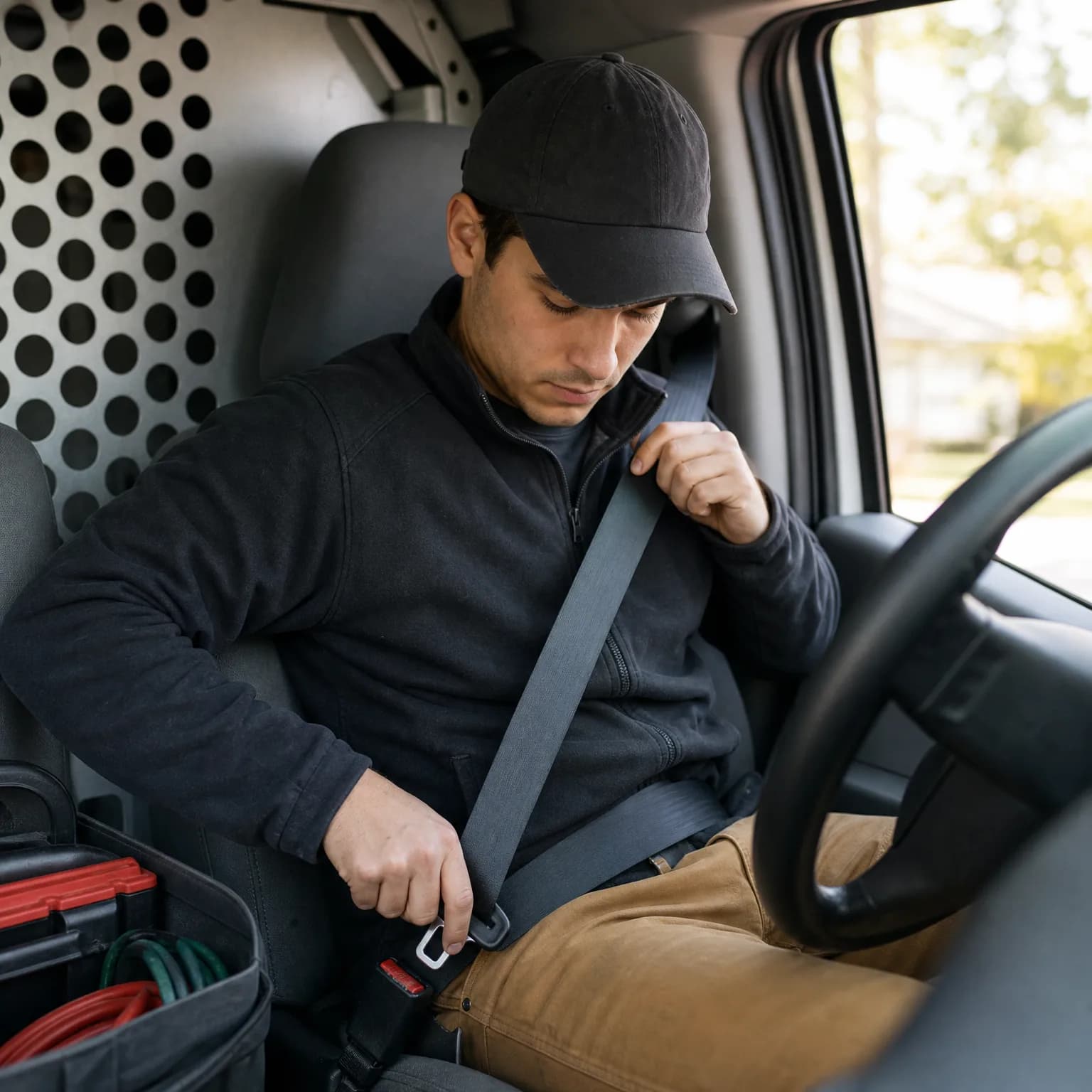
Missouri law requires continuous coverage. If your policy lapses for any reason, the carrier notifies the Department of Revenue electronically within days. The state then suspends your vehicle registration and your driving privilege. You cannot legally drive the vehicle, and law enforcement can impound it if you are stopped.
A lapse of more than 30 days can trigger a requirement to file an SR-22 certificate for two years. The SR-22 is not insurance; it is a form the carrier files with the state certifying that you carry at least the minimum required coverage. The carrier charges a filing fee, and the SR-22 requirement follows you even if you switch carriers. Any subsequent lapse during the two-year SR-22 period restarts the clock and can extend the filing requirement.
The state does not distinguish between intentional cancellation and accidental lapse. If you sell a car and cancel coverage without immediately replacing it with coverage on another vehicle, the state treats that as a lapse and suspends your license. If you switch carriers and the new policy starts one day after the old policy ends, that one-day gap is a lapse. Continuous coverage means zero gaps, measured to the day.
20.7%
Missouri Uninsured Drivers
More than one in five Missouri drivers operates without insurance, one of the highest uninsured rates in the country. This is why the state mandates uninsured-motorist coverage for every registered vehicle.
Insurance Information Institute, 2023
Minimum Coverage Versus Full Coverage
Minimum coverage means liability and uninsured-motorist only. It meets the state's legal requirement, but it does not pay to repair or replace your own vehicle after an accident, theft, weather damage, or vandalism. Full coverage adds collision and comprehensive insurance to the liability base. Collision pays to repair your car after an at-fault accident or a collision with an object; comprehensive pays for theft, hail, fire, flood, and animal strikes.
Whether full coverage makes sense depends on what your vehicle is worth and whether you could replace it out of pocket. A financed or leased vehicle almost always requires full coverage because the lender holds a security interest in the car and will not accept the risk of total loss with no insurance proceeds. An older vehicle you own outright may not justify the additional premium if its value is low enough that you would replace it rather than repair it after a major loss.
How to Verify Your Policy Meets State Requirements
Your insurance card or declarations page lists your coverage limits in the same $25,000/$50,000/$25,000 format the state uses. The first number is bodily injury per person, the second is bodily injury per accident, and the third is property damage per accident. If any of those three numbers is lower than the state minimum, your policy does not comply and you cannot register a vehicle in Missouri. The uninsured-motorist section of the declarations page must show the same limits or higher.
If you are switching from another state or buying your first Missouri policy, confirm with the carrier that the policy includes Missouri-required uninsured-motorist coverage. Some carriers write policies that meet one state's requirements but not another's. A policy written for a state that does not require uninsured-motorist coverage will not meet Missouri law until the carrier adds that coverage. The carrier can add it at any time, but it must be active before you register the vehicle or the state will reject the registration.
Compare your current coverage to Missouri's minimums now. If your policy does not meet the state floor, contact your carrier to add the required coverage before your next registration renewal. Waiting until the renewal notice arrives leaves no time to fix a coverage gap, and the state will not extend the deadline because your policy was non-compliant.
Proof of Insurance and Registration
When you register a vehicle, the Missouri Department of Revenue verifies that an active insurance policy covers that specific vehicle identification number. The carrier reports coverage electronically to the state. If the system shows no active policy, registration is denied. If coverage lapses after registration, the state receives an electronic notice from the carrier and can suspend your registration and driving privileges until you reinstate coverage.
You must carry proof of insurance in the vehicle at all times. Acceptable proof includes the insurance card the carrier provides, a digital copy on your phone, or a letter from the carrier confirming coverage. A law enforcement officer can request proof during any traffic stop. Failure to provide proof on request is a separate violation from driving without insurance, and both carry fines and potential license suspension.
Get Your Free Quote
Get My Missouri Car Insurance QuoteFrequently Asked Questions
What are the minimum car insurance requirements in Missouri?
Missouri requires $25,000 per person and $50,000 per accident for bodily injury liability, $25,000 per accident for property damage liability, and uninsured-motorist coverage at the same limits. Every registered vehicle must carry all four coverages to comply with state law.
Does Missouri require uninsured-motorist coverage?
Yes. Missouri is one of the few states that mandate uninsured-motorist coverage in addition to liability insurance. The coverage must match your liability limits unless you reject it in writing, which most carriers discourage given the state's 20.7% uninsured-driver rate.
What happens if my car insurance lapses in Missouri?
The carrier notifies the Department of Revenue electronically, and the state suspends your vehicle registration and driving privilege. A lapse longer than 30 days can trigger a two-year SR-22 filing requirement.
How does Missouri verify that I have car insurance?
Missouri uses an electronic verification system that checks coverage in real time when you register or renew a vehicle. Carriers report coverage status directly to the state. If the system shows no active policy for your vehicle identification number, registration is denied.
Can I register a car in Missouri with out-of-state insurance?
Only if the out-of-state policy meets Missouri's minimum requirements, including uninsured-motorist coverage at the required limits. Most carriers will rewrite the policy to comply with Missouri law when you establish residency and register the vehicle in the state.
What is the difference between minimum coverage and full coverage in Missouri?
Minimum coverage is liability and uninsured-motorist only, which meets the state's legal requirement but does not pay to repair your own vehicle. Full coverage adds collision and comprehensive insurance to cover damage to your car from accidents, theft, weather, and other perils.
Do I need SR-22 insurance in Missouri?
Missouri requires SR-22 filing after certain violations, including a coverage lapse longer than 30 days, an accident-related suspension, or a DUI. The SR-22 is a certificate the carrier files with the state proving you carry at least minimum required coverage, and it remains in effect for two years.