
Optional Car Insurance Coverages Worth It — Missouri
Free to compare
You've Met the Minimum, Now What
You've secured Missouri's required $25,000 bodily injury per person, $50,000 per accident, and $25,000 property damage liability, plus the state-mandated uninsured motorist coverage. Your household insures two or more vehicles on one policy, and your carrier is offering collision, comprehensive, rental reimbursement, roadside assistance, and gap coverage as optional add-ons. You're comparing quotes and trying to figure out which optional coverages actually protect your household without doubling the premium.
The decision is harder when you're insuring multiple vehicles because a single accident can damage more than one car on your policy, and because optional coverages apply per vehicle — not per policy. What makes sense for one car may not make sense for another, and the cost of adding optional coverage to every vehicle on your policy stacks quickly. This article walks through which optional coverages protect multi-vehicle households in Missouri, which ones rarely pay off, and how to structure coverage across your cars without overpaying.
“A single accident can total two vehicles on your policy. Collision coverage is per vehicle, not per policy.”
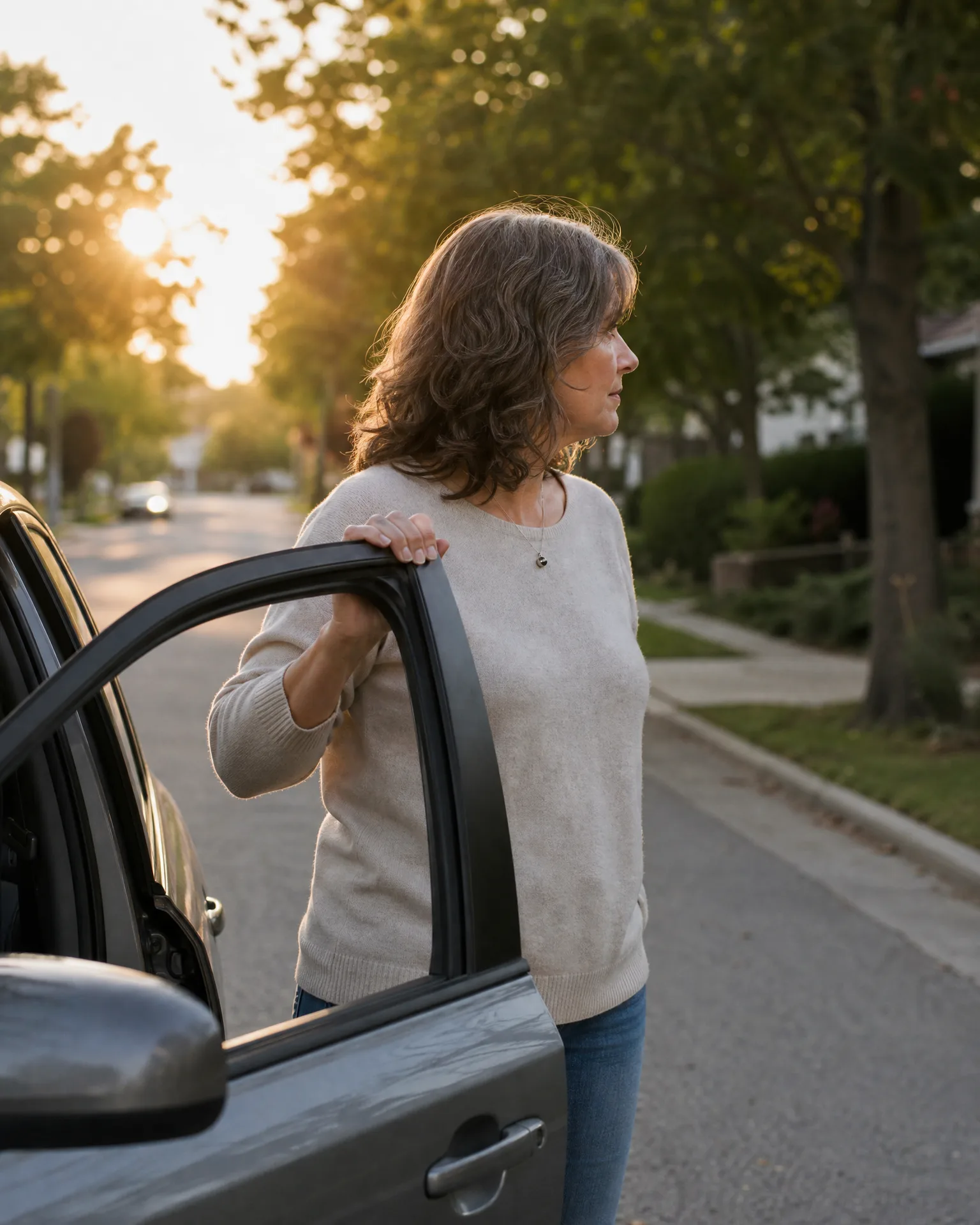
See What Missouri Drivers Pay for the Coverage They Need
Get My Missouri Car Insurance Quote20.7%
Missouri Uninsured Motorist Rate
One in five Missouri drivers carries no insurance. Uninsured motorist coverage is mandatory in Missouri for this reason — it pays when an at-fault driver has no coverage to pay your claim. The high uninsured rate makes underinsured motorist coverage worth considering as well.
Missouri Department of Commerce and Insurance, 2023
Collision and Comprehensive Cover Your Vehicles, Not the Other Driver's
Collision coverage pays to repair or replace your vehicle after an accident, regardless of who was at fault. Comprehensive coverage pays for damage from non-collision events: theft, hail, vandalism, hitting a deer, or a tree falling on your car. Neither is required by Missouri law, but both are required by your lender if you finance or lease any vehicle on your policy.
For a multi-vehicle household, the decision is vehicle-specific. A financed 2022 sedan needs collision and comprehensive because the lender requires it. The rule of thumb: if the vehicle's market value is less than ten times the annual cost of collision and comprehensive combined, drop both and self-insure that vehicle.
When you insure multiple vehicles, apply this rule car by car. One vehicle may justify full coverage while another does not. Carriers allow you to structure coverage differently across vehicles on the same policy — your newer car can carry collision and comprehensive while your older car carries liability only. This is the most common way multi-vehicle households avoid overpaying for optional coverage.
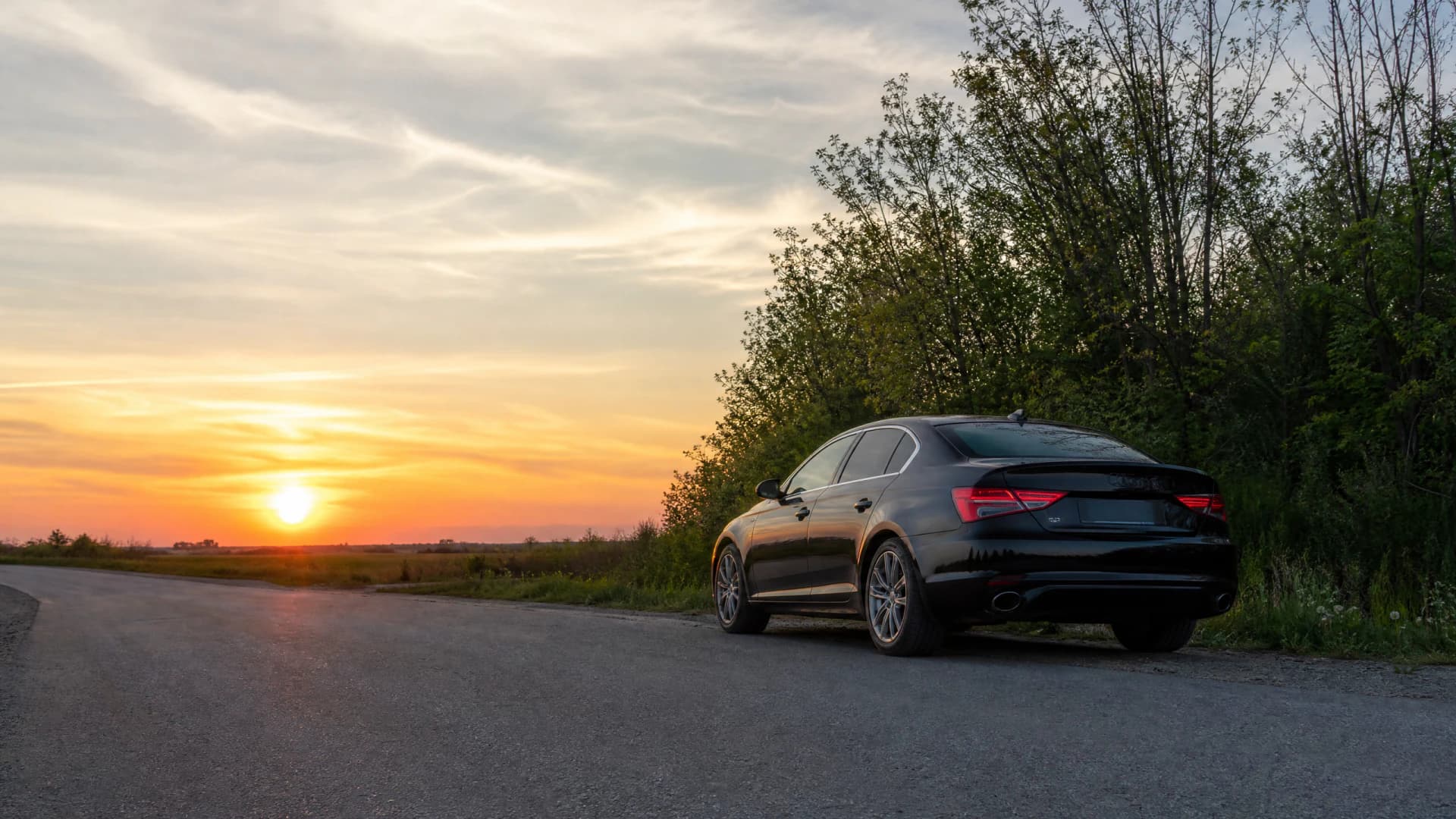
A single accident can total two vehicles on your policy. Collision coverage is per vehicle, not per policy — if both cars are damaged, you pay two deductibles and file two claims.
Related Articles





Rental Reimbursement and Roadside Assistance
Rental reimbursement pays for a rental car while your vehicle is being repaired after a covered claim. Roadside assistance pays for towing, jump-starts, flat tire changes, lockout service, and fuel delivery.
For a multi-vehicle household, the value depends on whether you have a backup vehicle. If one car is in the shop and you have another car available, rental reimbursement may not be worth the cost. If both vehicles are used daily for work or school and losing one car disrupts your household, rental reimbursement is worth adding to at least one vehicle. Roadside assistance is worth considering if you do not already have it through an auto club or credit card — the insurance version is often cheaper than a standalone membership and covers any vehicle you're driving, not just the insured vehicle.
When you insure multiple vehicles, you can add rental reimbursement to one vehicle and skip it on the others. The coverage follows the vehicle, not the driver, so if the covered vehicle is damaged, the coverage applies. If you add it to every vehicle on your policy, you're paying for redundant coverage — one rental reimbursement policy is usually enough for a household.
Roadside assistance works the same way. Adding it to one vehicle covers that vehicle only. If you want coverage for every car in your household, you'll need to add it to each vehicle separately, or purchase a standalone auto club membership that covers any vehicle you drive. For most multi-vehicle households, adding roadside assistance to the vehicle most likely to need it — the oldest car, the one driven the most miles, or the one without a manufacturer's roadside plan — is the most cost-effective approach.
$25,000
Missouri Property Damage Minimum
Missouri requires $25,000 property damage liability. If you cause an accident that damages two vehicles, the $25,000 limit must cover both.
Missouri Department of Revenue, Financial Responsibility Law
Gap Coverage and Loan/Lease Payoff
Gap coverage pays the difference between your vehicle's actual cash value and the amount you owe on your loan or lease if the vehicle is totaled. Without gap coverage, you're responsible for paying off the remaining loan balance even though you no longer have the car.
Gap coverage is worth considering if you financed a vehicle with a small down payment, rolled negative equity from a trade-in into the new loan, or leased a vehicle. It's not worth paying for if you own your vehicle outright or if your loan balance is less than the vehicle's market value. For a multi-vehicle household, gap coverage is vehicle-specific — you may need it on one financed car but not on another that's nearly paid off. Most carriers offer gap coverage as an optional add-on, and some lenders and dealerships offer it as well. The insurance version is typically cheaper than the dealership version and can be canceled when your loan balance drops below the vehicle's value.
Compare Carriers That Write Multi-Vehicle Policies in Missouri
Optional coverage costs vary significantly by carrier, and the cost of adding collision, comprehensive, and other optional coverages to multiple vehicles can double or triple your total premium. Some carriers offer better rates for multi-vehicle policies than others, and some carriers discount optional coverages when you insure more than one vehicle. The multi-car discount applies to your liability premium, but optional coverage pricing is set per vehicle and varies by the vehicle's age, value, and how you use it.
Missouri has 29 carriers writing auto insurance in the state, including carriers that specialize in multi-vehicle households. Compare Missouri car insurance carriers that write policies for households insuring two or more vehicles, and request quotes that show the cost of optional coverages separately so you can see exactly what you're paying for collision, comprehensive, rental reimbursement, and roadside assistance on each vehicle. Structuring optional coverage vehicle by vehicle — full coverage on financed cars, liability-only on paid-off cars — is the most common way multi-vehicle households avoid overpaying.
Uninsured and Underinsured Motorist Coverage
Uninsured motorist coverage pays your medical bills and lost wages when an at-fault driver has no insurance. Missouri law requires you to carry it at the same limits as your bodily injury liability — if you carry $25,000/$50,000 liability, you must carry $25,000/$50,000 uninsured motorist. This is not optional. The 20.7% uninsured rate in Missouri makes this mandate more protective than in states with lower uninsured rates, but the required limits may not be enough if you're seriously injured.
Underinsured motorist coverage is optional and pays when the at-fault driver's liability limits are too low to cover your damages. If the at-fault driver carries Missouri's $25,000 per person minimum and your medical bills exceed that amount, underinsured motorist coverage pays the difference up to your policy's limits. For a household insuring multiple vehicles, underinsured motorist coverage is worth considering because a single accident can injure multiple household members, and the at-fault driver's $50,000 per-accident limit may not cover everyone. Underinsured motorist coverage costs less than collision or comprehensive and protects against a gap that liability-only coverage leaves open.
Get Your Free Quote
Get My Missouri Car Insurance QuoteFrequently Asked Questions
Do I need collision coverage on every vehicle I insure in Missouri?
No. Collision coverage is optional unless your lender requires it. For a multi-vehicle household, you can carry collision on financed or leased vehicles and drop it on paid-off vehicles with low market value. The coverage is per vehicle, not per policy, so you structure it car by car.
Does rental reimbursement cover all vehicles on my Missouri policy?
No. Rental reimbursement follows the vehicle, not the policy. If you add it to one vehicle and that vehicle is damaged, the coverage applies. If another vehicle on your policy is damaged, rental reimbursement does not apply unless you added it to that vehicle as well.
Is underinsured motorist coverage required in Missouri?
No. Missouri requires uninsured motorist coverage at the same limits as your liability coverage, but underinsured motorist coverage is optional. It pays when the at-fault driver's liability limits are too low to cover your damages, and it's worth considering for multi-vehicle households where a single accident can injure multiple people.
Can I drop comprehensive coverage on one vehicle and keep it on another?
Yes. Missouri allows you to structure optional coverage differently across vehicles on the same policy. You can carry comprehensive on a newer financed vehicle and drop it on an older paid-off vehicle. This is the most common way multi-vehicle households reduce optional coverage costs.
Does gap coverage apply to every vehicle on my Missouri policy?
No. Gap coverage is per vehicle and only applies to the vehicle you add it to. If you finance two vehicles and add gap coverage to one, the coverage applies only to that vehicle. You must add gap coverage separately to each financed vehicle that needs it.
How much does roadside assistance cost on a Missouri multi-vehicle policy?
Most multi-vehicle households add it to one vehicle only — the oldest car or the one driven the most miles.