
Personal Injury Protection Requirements — Missouri
Free to compare
Missouri Does Not Require Personal Injury Protection
Missouri does not require Personal Injury Protection (PIP) coverage. The state mandates liability insurance and uninsured motorist coverage, but PIP is optional. If you're structuring coverage across two or more vehicles, you need to understand what Missouri actually requires versus what PIP would add if you chose to buy it.
The confusion arises because Missouri does require uninsured motorist coverage, which many drivers conflate with PIP. Uninsured motorist coverage pays for injuries caused by an at-fault driver who has no insurance. PIP pays your own medical bills and lost wages regardless of fault. They are different products, and only one is mandatory in Missouri.
“Missouri's uninsured motorist mandate covers injuries caused by an uninsured driver, not your own medical bills after any accident.”

See What Missouri Drivers Pay for the Coverage They Need
Get My Missouri Car Insurance Quote$25,000 / $50,000
Missouri Bodily Injury Minimum
Missouri requires $25,000 per person and $50,000 per accident in bodily injury liability coverage, plus $25,000 in property damage liability. Every vehicle on your policy must meet these minimums.
Missouri Department of Revenue, Driver License Bureau
What Missouri Actually Requires Across Multiple Vehicles
Missouri requires three coverages on every vehicle you insure: bodily injury liability at $25,000 per person and $50,000 per accident, property damage liability at $25,000 per accident, and uninsured motorist coverage matching your bodily injury limits. These minimums apply to each vehicle on your policy.
When you add a second or third vehicle to your policy, the carrier re-rates the entire policy. Each vehicle must meet the state minimums independently. You cannot split one liability limit across multiple cars. If you own three vehicles, all three must carry the full $25,000/$50,000/$25,000 minimum.
Missouri does not require underinsured motorist coverage, medical payments coverage, or PIP. Those are optional. The state's mandatory uninsured motorist requirement covers injuries caused by an uninsured driver, not your own medical bills after any accident.
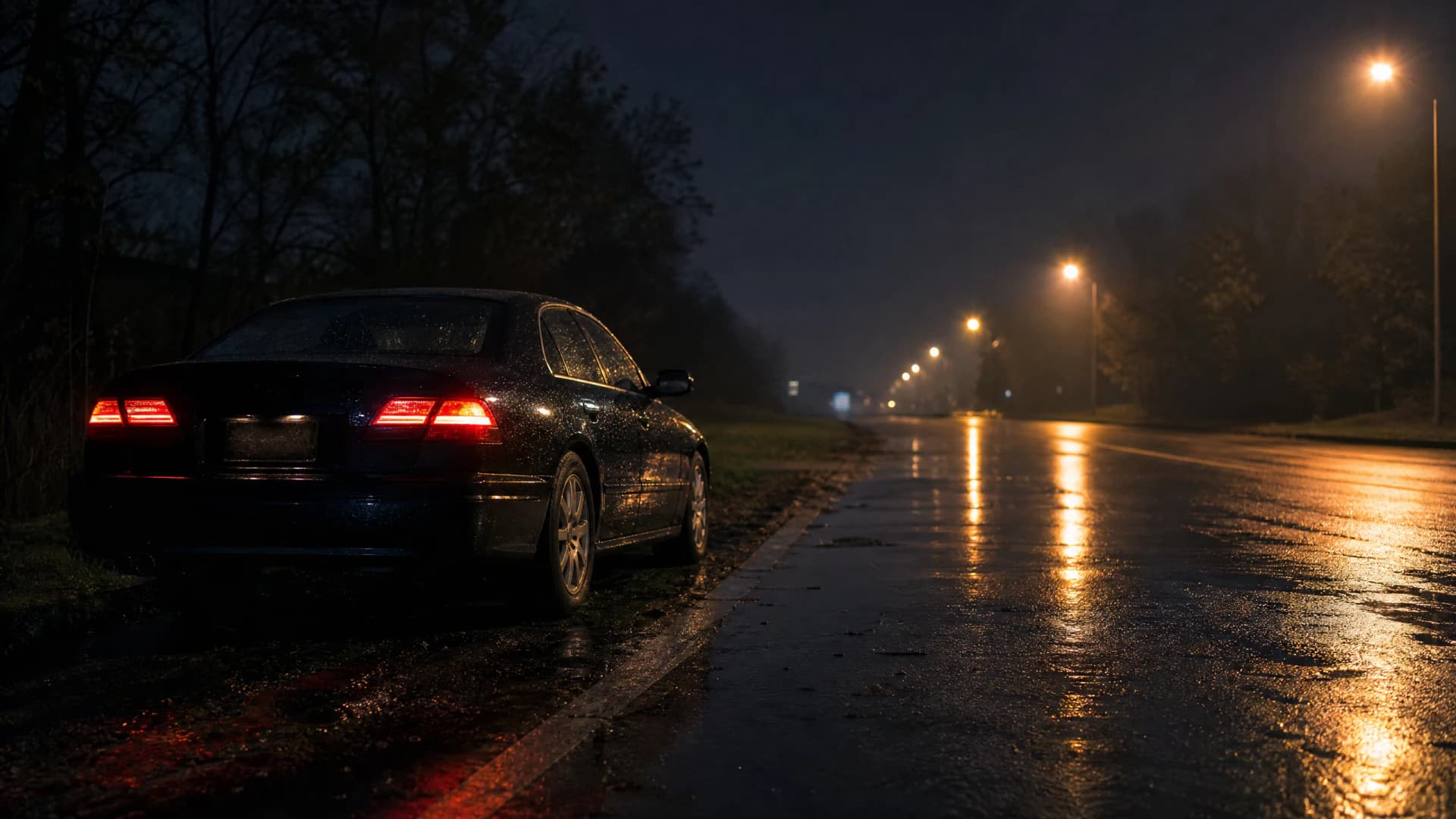
Missouri's uninsured motorist mandate is not the same as PIP. Uninsured motorist pays when the other driver has no insurance; PIP pays your bills regardless of fault.



How Adding PIP Changes Your Multi-Car Policy
If you add PIP to a multi-car policy, you choose whether to apply it to all vehicles or only specific ones. Most carriers allow per-vehicle PIP selection, but some require it on every vehicle once added to the policy. Check with your carrier before assuming you can add PIP to one car and exclude it from another.
Adding PIP increases your premium. The increase depends on the limit you select, the number of vehicles covered, and your household's driving history. A policy covering three vehicles with PIP on all three costs more than a policy with PIP on one vehicle.
PIP does not affect your liability limits or your uninsured motorist coverage. It is a separate first-party coverage. If you carry the state minimums and add PIP, you still carry only the state minimums in liability. PIP does not increase your bodily injury or property damage limits.
20.7%
Missouri Uninsured Motorist Rate
One in five Missouri drivers has no insurance. The state's mandatory uninsured motorist coverage protects you when an at-fault driver cannot pay, but it does not cover your own medical bills if you cause the accident. PIP fills that gap.
Insurance Research Council, 2023

When Multi-Car Households Consider PIP
Households with multiple vehicles consider PIP when one or more drivers lack health insurance or carry high-deductible health plans. PIP pays medical bills immediately after an accident without waiting for health insurance to process claims. It also covers passengers in your vehicles who may not have their own health coverage.
Some households add PIP when drivers commute in high-traffic areas where minor accidents are frequent. PIP covers medical expenses from minor injuries without requiring a liability claim against another driver. This matters in Missouri because the state uses a pure comparative fault system, which means your recovery in a liability claim is reduced by your percentage of fault. PIP pays regardless of fault percentages.
Compare Carriers That Write Multi-Car Policies in Missouri
Missouri has 28 carriers writing multi-car policies with optional PIP. Not every carrier offers PIP, and those that do price it differently. Compare carriers that write your household's vehicles and ask each one whether PIP is available, what limits they offer, and whether it applies per vehicle or per policy. Carriers including State Farm, Geico, Progressive, Allstate, Farmers, and USAA write multi-car policies in Missouri and offer optional PIP in most cases.
Start by confirming you meet the state's mandatory minimums across all vehicles: $25,000/$50,000 bodily injury liability, $25,000 property damage liability, and uninsured motorist coverage matching your bodily injury limits. Then decide whether PIP fits your household's medical coverage situation. If you add it, choose the limit that covers your household's likely medical expenses after a minor accident, and confirm whether the carrier applies it to all vehicles or allows per-vehicle selection.
What PIP Covers If You Add It
It also covers a portion of lost wages if you cannot work after an accident, and in some policies it covers funeral expenses. PIP pays regardless of fault, which means it covers you even if you caused the accident. It pays before health insurance in most cases, and it does not require a deductible in many policies.
Multi-car households sometimes add PIP when one or more drivers lack health insurance, when the household includes drivers who commute long distances in high-traffic areas, or when the household wants first-dollar medical coverage without waiting for a liability claim to settle. PIP does not replace liability coverage. It supplements it by covering your own injuries immediately, while liability covers injuries you cause to others.
Get Your Free Quote
Get My Missouri Car Insurance QuoteFrequently Asked Questions
Does Missouri require PIP on all vehicles in a multi-car policy?
Missouri does not require PIP at all. The state mandates bodily injury liability, property damage liability, and uninsured motorist coverage, but PIP is optional. If you add PIP to a multi-car policy, check with your carrier whether it applies to all vehicles or only specific ones.
What is the difference between PIP and uninsured motorist coverage in Missouri?
PIP pays your own medical bills and lost wages regardless of who caused the accident. Uninsured motorist coverage pays for injuries caused by an at-fault driver who has no insurance. Missouri requires uninsured motorist coverage but does not require PIP.
How much does adding PIP cost on a Missouri multi-car policy?
The cost depends on the PIP limit you select, the number of vehicles covered, and your household's driving history. Compare carriers to see how each prices optional PIP.
Can I add PIP to one vehicle and exclude it from others on the same policy?
Most Missouri carriers allow per-vehicle PIP selection, but some require it on every vehicle once added to the policy. Ask your carrier before assuming you can add PIP selectively.
Does PIP replace the need for health insurance in Missouri?
No. PIP covers medical bills and lost wages after an accident up to the policy limit, but it does not cover non-accident medical expenses. Health insurance covers a broader range of medical needs. PIP supplements health insurance by paying accident-related bills immediately without waiting for health insurance claims to process.
What PIP limits are available in Missouri?
The limit you choose determines the maximum amount PIP will pay for medical expenses, lost wages, and other covered costs after an accident. Higher limits cost more.