
Comprehensive Coverage for Multiple Cars — Missouri
Free to compare
The Multi-Vehicle Comprehensive Decision
You own three cars in Missouri. One is a 2022 model you're still financing, one is a 2015 sedan you own outright, and one is a 1998 truck you use for weekend projects. Your current policy carries comprehensive coverage on all three, and you're wondering whether that makes sense. The answer is almost certainly no — but the right configuration depends on each vehicle's value, not a blanket rule.
Comprehensive coverage pays for non-collision damage: theft, vandalism, hail, flood, falling objects, and animal strikes. It does not cover collision damage or liability. Missouri does not require comprehensive coverage on any vehicle, even financed ones, though your lender almost certainly does. The decision for each car in your household turns on whether the coverage cost justifies the maximum payout you could receive if the vehicle were totaled.
“Comprehensive coverage costs the same per vehicle whether you insure one car or five — the multi-car discount does not reduce it.”

See What Missouri Drivers Pay for the Coverage They Need
Get My Missouri Car Insurance Quote$25,000 / $50,000 / $25,000
Missouri Minimum Liability Limits
Missouri requires $25,000 bodily injury per person, $50,000 per accident, and $25,000 property damage. These liability minimums apply to every vehicle on your policy, but comprehensive and collision are optional unless a lienholder requires them.
Missouri Department of Revenue
The Structural Reality of Multi-Car Comprehensive
Comprehensive coverage is priced per vehicle, not per policy. When you add or remove comprehensive from one car, the other vehicles' coverage does not change. This is different from liability coverage, which applies across your entire policy. The multi-car discount reduces your base premium, but it does not change the per-vehicle cost structure of comprehensive.
Many Missouri households carry comprehensive on every vehicle because it was added when the policy was created, and no one revisited the decision as vehicles aged.
The blocker is not whether comprehensive coverage is useful. The blocker is that most households apply it uniformly when a vehicle-by-vehicle analysis would cut total premium without meaningful risk exposure.
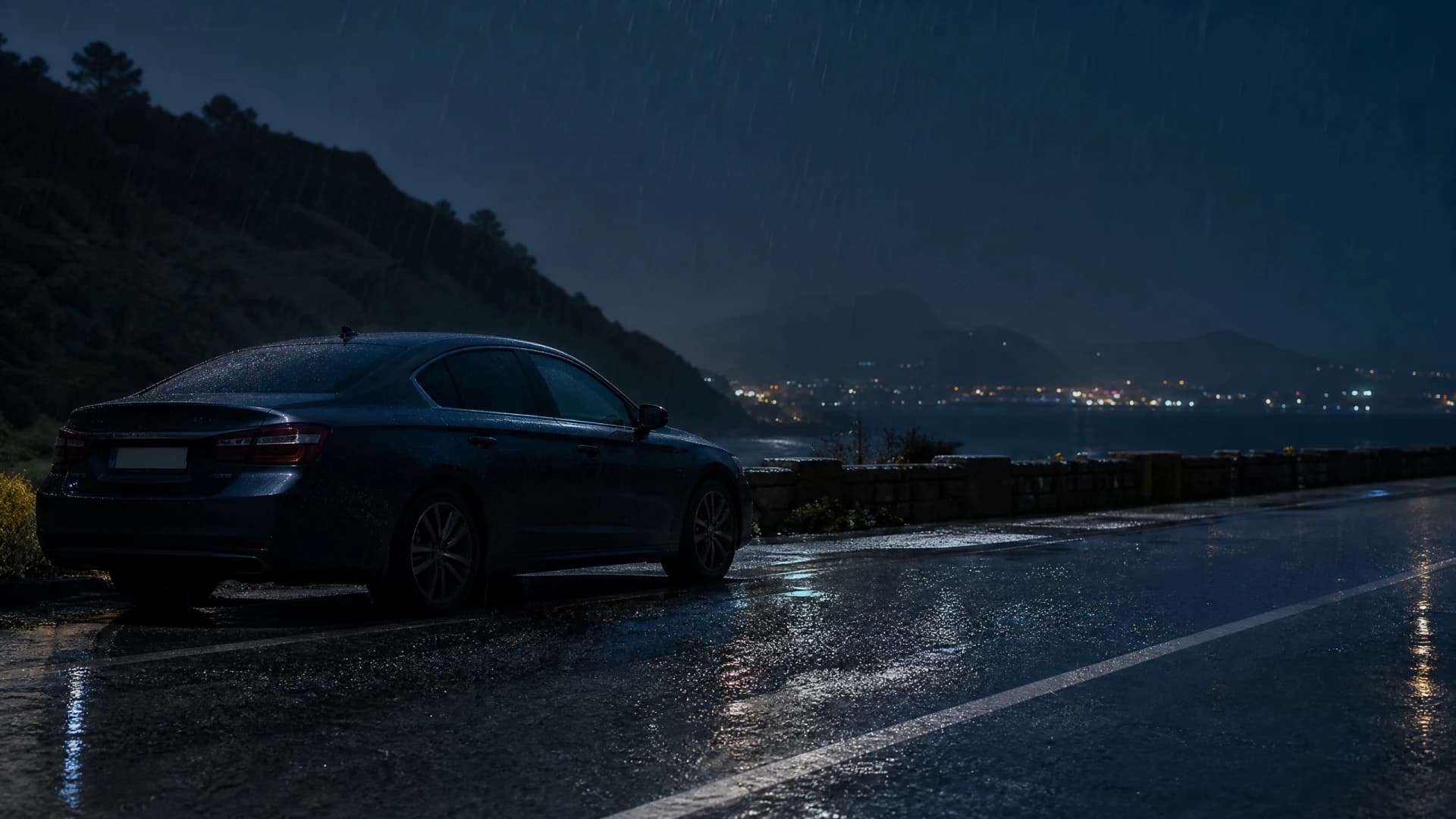
Comprehensive coverage costs the same whether you insure one car or five. The multi-car discount does not reduce per-vehicle comprehensive premiums — it reduces your base liability rate.
Related Articles

Best Multi-Car Insurers in Missouri
7/15/2026

Deductibles and Car Insurance in Missouri
7/15/2026

Collision Coverage for Multiple Cars in MO
7/15/2026

Liability vs Full Coverage for Multi-Car MO
7/15/2026

Minimum vs Full Coverage for Multiple Cars
7/15/2026
Full Coverage Companies for Multi-Car in MO
7/15/2026

How Deductible Choices Interact with Multi-Vehicle Policies
Your comprehensive deductible applies per vehicle, per claim. If hail damages two cars in your driveway, you pay the deductible twice. Choosing a $500 or $1,000 deductible reduces your premium, but it also reduces the net payout on any claim.
Missouri households with multiple vehicles often choose different deductibles for different cars. The financed 2022 model might carry a $500 deductible because the loan balance is high and the risk of a total loss matters. The 2015 sedan might carry a $1,000 deductible because you own it outright and can absorb more risk. The 1998 truck carries no comprehensive coverage at all. This is not inconsistency — it is correct risk allocation.
Raising your deductible from $500 to $1,000 typically reduces comprehensive premium by 20 to 30 percent.
405.8 per 100,000
Missouri Vehicle Theft Rate
Missouri recorded 405.8 motor vehicle thefts per 100,000 population in 2024. Comprehensive coverage is the only policy component that pays for theft. If you park in a high-theft area or own a frequently-targeted model, comprehensive coverage remains cost-effective even on older vehicles.
Missouri state statistics, 2024

The Multi-Car Discount Does Not Change This Calculation
The multi-car discount reduces your base premium when you insure two or more vehicles on the same Missouri policy. The discount applies to liability coverage, not to comprehensive or collision. Dropping comprehensive from one vehicle does not eliminate or reduce your multi-car discount, because the discount is tied to the number of vehicles on the policy, not the coverage tier on each one.
Some Missouri households mistakenly believe that removing comprehensive from one car will forfeit the multi-car discount. It does not. As long as every vehicle remains on the same policy, the discount applies. You can carry full coverage on one car, liability-only on another, and liability plus comprehensive on a third, and the multi-car discount still reduces your base rate across all three.
Compare Carriers for Multi-Vehicle Comprehensive Pricing
Comprehensive coverage pricing varies significantly across Missouri carriers, even for identical vehicles and deductibles. State Farm, GEICO, Progressive, Allstate, Farmers, and Nationwide all write multi-vehicle policies in Missouri, and their per-vehicle comprehensive rates differ by hundreds of dollars annually. The carrier offering the lowest liability rate for your household may not offer the lowest comprehensive rate, and vice versa.
When you request quotes, specify which vehicles you want comprehensive coverage on and which you do not. Carriers will price the policy accordingly. If you are unsure whether to keep comprehensive on a borderline vehicle, request two quotes: one with comprehensive on all vehicles, one with it removed from the lowest-value car. The difference in total premium tells you exactly what you are paying for that coverage. If the annual cost exceeds 15 percent of the vehicle's value, drop it. Compare Missouri carriers that write multi-vehicle policies and structure coverage vehicle-by-vehicle based on actual value, not uniform assumptions.
When to Keep Comprehensive on Each Vehicle
Keep comprehensive coverage on any vehicle where the actual cash value exceeds ten times the annual premium, or where a lienholder requires it. A financed or leased vehicle almost always requires comprehensive as a loan condition. For owned vehicles, the rule of thumb is simple: if the car is worth less than ten times what you pay annually for comprehensive, the coverage is not cost-effective.
The maximum payout after your deductible will be small, and the cumulative premium over two or three years approaches the vehicle's total value. For the 2022 financed vehicle, comprehensive is non-negotiable until the loan is satisfied.
Get Your Free Quote
Get My Missouri Car Insurance QuoteFrequently Asked Questions
Does Missouri require comprehensive coverage on financed vehicles?
Missouri does not require comprehensive coverage on any vehicle, financed or not. Your lender requires it as a loan condition to protect their interest in the collateral. Once the loan is satisfied, the lender's requirement ends, and you can drop comprehensive if the vehicle's value no longer justifies the cost.
Can I carry comprehensive on one car in my household but not the others?
Yes. Comprehensive coverage is priced and applied per vehicle. You can structure coverage differently for each car on your Missouri multi-vehicle policy. The multi-car discount applies as long as all vehicles remain on the same policy, regardless of coverage tier.
What happens to my multi-car discount if I drop comprehensive from one vehicle?
Nothing. The multi-car discount is tied to the number of vehicles on your policy, not the coverage tier on each one. Dropping comprehensive from one car does not reduce or eliminate the discount.
How do I know if comprehensive coverage is worth keeping on an older car?
Compare the vehicle's actual cash value to the annual cost of comprehensive plus your deductible. If the car is worth less than ten times the annual premium, or if the maximum payout after the deductible is less than two years of premiums, the coverage is not cost-effective.
Does comprehensive coverage pay for hail damage to multiple cars at once?
Yes, but you pay the deductible separately for each vehicle.
Can I choose different deductibles for different cars on the same Missouri policy?
Yes. Missouri carriers allow you to set different comprehensive deductibles for each vehicle on a multi-car policy. A $500 deductible on a financed car and a $1,000 deductible on an owned car is a common and correct structure.