
Electronic Insurance Verification — Missouri
Free to compare
Missouri Runs Two Verification Systems Simultaneously
You register a vehicle in Missouri, provide your carrier and policy number, and the Department of Revenue confirms coverage electronically within seconds. The transaction completes without a paper insurance card changing hands. Three months later, an officer pulls you over for a broken taillight and asks for proof of insurance—and the electronic system that cleared your registration is not available at the roadside. You hand over a physical card or face a citation, even though the state verified your coverage digitally 90 days earlier.
Missouri operates a real-time electronic insurance verification system that connects licensed carriers to the Department of Revenue and law enforcement databases. The system confirms active coverage during registration, renewal, and certain administrative checks. It does not replace the physical proof-of-insurance requirement during traffic stops or accidents. Understanding when each verification channel applies prevents confusion when an officer requests a card your household assumed was optional.
“The electronic system verifies coverage exists; it does not display policy details to the officer who pulls you over.”

See What Missouri Drivers Pay for the Coverage They Need
Get My Missouri Car Insurance Quote$25,000 / $50,000 / $25,000
Missouri Minimum Liability Limits
Missouri requires $25,000 bodily injury per person, $50,000 bodily injury per accident, and $25,000 property damage. Electronic verification confirms you carry at least these minimums; it does not display your actual coverage limits to the officer at a traffic stop.
Missouri Department of Revenue
How the Electronic System Confirms Coverage at Registration
When you register or renew a vehicle in Missouri, the Department of Revenue queries the electronic insurance verification database in real time. You provide your carrier name and policy number; the system contacts the carrier's reporting interface and receives a yes-or-no answer: coverage is active or it is not. If active, the registration processes. If the system returns no record, the transaction halts until you provide proof the carrier has not yet uploaded.
Licensed carriers in Missouri report new policies, cancellations, and lapses to the state database daily. Most large carriers update within 24 hours; smaller carriers may batch-upload weekly. A policy written today may not appear in the verification system until tomorrow or later, creating a narrow window where your coverage is active but not yet digitally confirmed. During that window, the Department of Revenue accepts a physical insurance card or electronic proof from your carrier app as interim documentation.
The system covers private passenger vehicles, motorcycles, and light trucks registered for personal use. Commercial vehicles, fleet policies, and out-of-state policies held by new Missouri residents follow separate verification paths and typically require manual proof submission until the carrier registers the policy with Missouri's database.
The electronic system verifies coverage exists; it does not display policy details, coverage limits, or named drivers to the officer who pulls you over.



When Physical Proof Still Matters
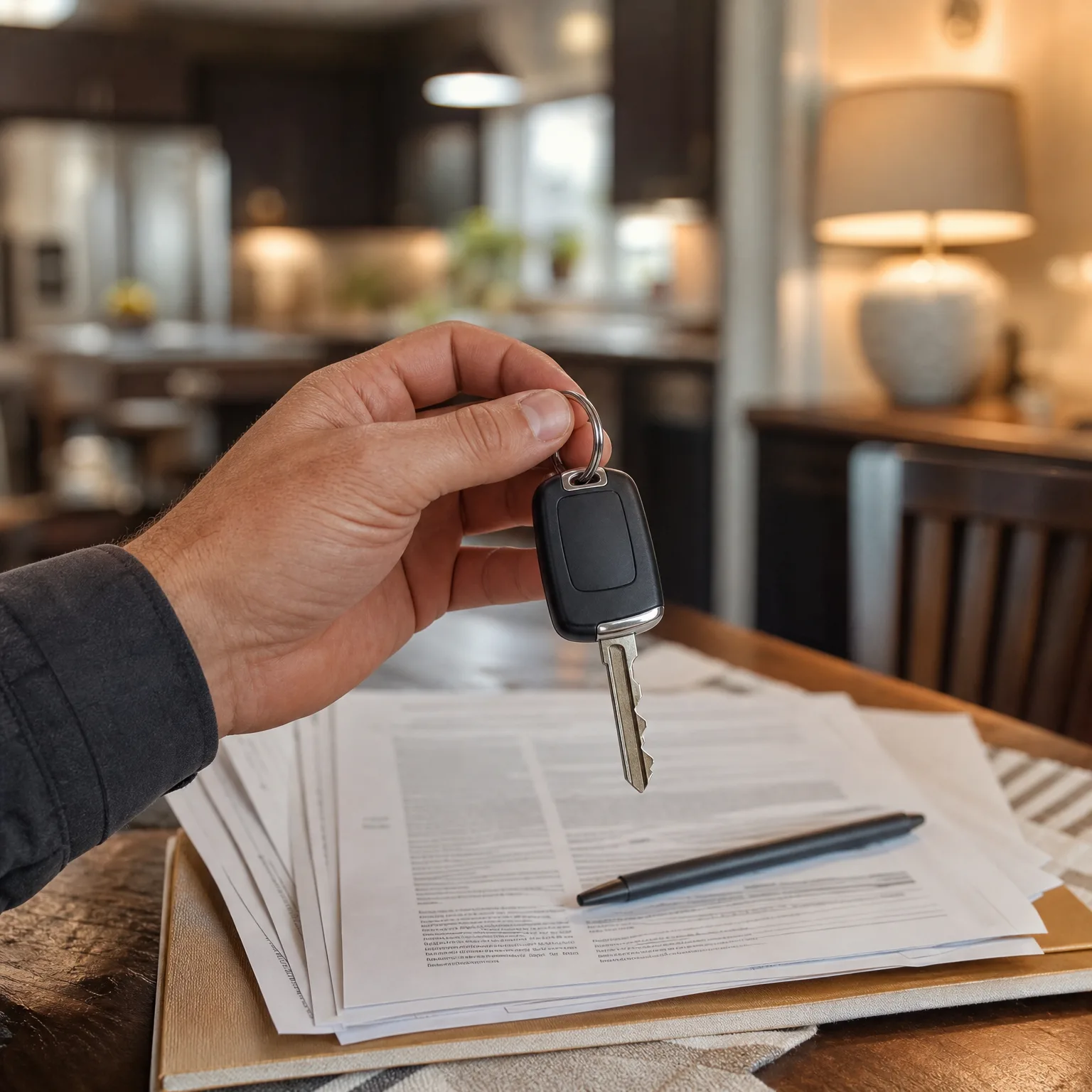
Missouri Revised Statutes Section 303.024 requires every driver to carry proof of insurance in the vehicle. Acceptable proof includes a paper insurance card issued by your carrier, an electronic image of the card displayed on your phone, or a digital insurance card accessed through your carrier's mobile app. The electronic verification system the Department of Revenue uses for registration does not satisfy this statute during a traffic stop or at the scene of an accident.
At an accident scene, you exchange insurance information with the other driver. The other driver cannot access Missouri's electronic verification database; they need your carrier name, policy number, and contact information from your insurance card. If you cannot provide that information, the other driver files a report listing you as uninsured, and you face administrative follow-up even if your coverage was active at the time of the collision.
Households insuring multiple vehicles on one policy receive one insurance card listing all covered vehicles or separate cards per vehicle, depending on the carrier. Keep a current card in each vehicle. When you add a vehicle mid-term, request an updated card immediately; the electronic system may reflect the addition within 24 hours, but the officer at a traffic stop will ask for the card, and a card listing only your other vehicles does not prove the pulled-over vehicle is insured.
20.7%
Missouri Uninsured Motorist Rate
One in five Missouri drivers operates without insurance. The electronic verification system helps the Department of Revenue identify uninsured vehicles at registration, but it does not prevent uninsured drivers from operating on the road between renewals.
Insurance Information Institute, 2023
How Carriers Report to the State Database
Missouri-licensed carriers connect to the state's electronic verification system through a standardized reporting interface managed by the Department of Revenue. Carriers report four events: new policy issuance, policy renewal, policy cancellation, and lapse for non-payment. Each report includes the policyholder's name, vehicle identification number, policy number, and coverage effective dates. The system does not store coverage limits, premium amounts, or named driver details.
Large carriers with automated systems—State Farm, GEICO, Progressive, Allstate—typically upload new policies and cancellations within 24 hours. Smaller regional carriers and independent agencies may batch-upload weekly. If you switch carriers or add a vehicle, confirm with the new carrier that they have reported the policy to Missouri's database. A policy that is active but not yet reported will trigger a verification failure at registration or renewal until the upload completes.
Compare Carriers That Write Multi-Vehicle Policies in Missouri
Missouri's electronic verification system works the same regardless of which carrier you choose, but carriers differ in how quickly they report new policies and how reliably their mobile apps display digital proof. Households insuring multiple vehicles benefit from carriers that upload policy changes within 24 hours and provide mobile apps that display separate cards per vehicle. Compare carriers writing in Missouri that offer multi-vehicle policies with same-day reporting and reliable digital proof access. The state's verification system confirms you meet the $25,000/$50,000/$25,000 minimum; your carrier determines how smoothly that confirmation reaches the database and how easily you access proof when an officer requests it.
What Officers See During a Traffic Stop
When an officer runs your license plate, the system returns a flag indicating whether the registered owner's insurance is current. The officer does not see your carrier name, policy number, coverage limits, deductibles, or named drivers. If the system shows active coverage, the officer may still request your physical insurance card to confirm the policy details match the vehicle and driver in front of them. Missouri law requires drivers to carry proof of insurance in the vehicle at all times; the electronic system does not satisfy that statutory requirement during a roadside interaction.
If the electronic system shows no active coverage—because your policy lapsed, the carrier has not yet uploaded a new policy, or the database contains an error—the officer will request physical proof. Providing a current insurance card or displaying electronic proof through your carrier's mobile app satisfies the requirement. If you cannot produce proof, the officer issues a citation for failure to provide proof of insurance, even if your coverage is actually active but not yet reflected in the state database.
Get Your Free Quote
Get My Missouri Car Insurance QuoteFrequently Asked Questions
Does Missouri require a physical insurance card if the state verifies coverage electronically?
Yes. Missouri law requires drivers to carry proof of insurance in the vehicle at all times. The electronic verification system the Department of Revenue uses for registration does not satisfy that requirement during traffic stops. You must provide a physical card or display electronic proof through your carrier's mobile app when an officer requests it.
How long does it take for a new policy to appear in Missouri's electronic verification system?
Most large carriers upload new policies within 24 hours. Smaller carriers may batch-upload weekly. If you register a vehicle or renew your registration before your carrier reports the policy, the Department of Revenue will request manual proof until the upload completes.
Can I use my phone to show proof of insurance during a Missouri traffic stop?
Yes. Missouri accepts electronic proof displayed on your phone, either as a photo of your insurance card or through your carrier's mobile app. The proof must show your carrier name, policy number, coverage effective dates, and the vehicle identification number matching the car you are driving.
What happens if Missouri's electronic system shows no coverage but my policy is active?
Provide physical or electronic proof from your carrier immediately. The system may not reflect a newly-issued policy, a recent carrier switch, or a policy the carrier has not yet uploaded. If you cannot provide proof at the traffic stop, you will receive a citation for failure to provide proof of insurance, even if your coverage is active.
Does the electronic verification system show my coverage limits to law enforcement?
No. The system returns only a yes-or-no confirmation that coverage is active. It does not display your carrier name, policy number, coverage limits, deductibles, or named drivers. Officers request your physical insurance card to see those details.