
Multi-Car Discount Requirements — Missouri
Free to compare
When the Multi-Car Discount Does Not Apply
You added a second vehicle to your Missouri policy expecting the multi-car discount to drop your premium, but the carrier denied it or applied it only to one vehicle. The structural reality: Missouri carriers require every vehicle on the same policy to qualify, but titled ownership determines eligibility more than where you garage the cars. A vehicle titled to a household member on a separate policy does not count toward your multi-car discount, even if both cars sit in the same driveway every night.
This article clarifies which vehicles qualify for the Missouri multi-car discount, how carriers structure the discount across your policy, and what happens when you add or remove a vehicle mid-term. Missouri requires $25,000 per person, $50,000 per accident bodily injury liability, and $25,000 property damage as minimum coverage for every vehicle you register. The multi-car discount applies to the combined premium when multiple vehicles meet the carrier's same-policy requirement, but the discount mechanism varies by carrier and by how many vehicles you insure.
“A vehicle titled to someone outside your policy does not count toward your multi-car discount, even if it is garaged at your address.”

See What Missouri Drivers Pay for the Coverage They Need
Get My Missouri Car Insurance Quote$1,199.53
Missouri Average Annual Auto Premium
Missouri drivers paid an average of $1,199.53 per insured vehicle in 2023. Insuring multiple vehicles on one policy typically lowers the per-vehicle cost through the multi-car discount, but the total premium depends on each vehicle's value, use, and the coverage levels you select.
NAIC Auto Insurance Database Report 2023
What the Multi-Car Discount Actually Requires
The multi-car discount applies when you insure two or more vehicles on the same auto insurance policy. Missouri carriers define "same policy" as a single policy number covering multiple vehicles, with one named insured and one renewal date. The discount does not apply across separate policies, even if both policies are with the same carrier and cover vehicles in the same household.
Titled ownership determines eligibility. A vehicle titled solely to a household member who maintains a separate policy does not qualify for your multi-car discount. A vehicle titled jointly to you and a spouse, or titled to you alone, qualifies when added to your policy. Missouri does not require vehicles to share a garaging address to qualify for the discount, but carriers verify that the named insured on the policy has an insurable interest in every vehicle listed.
The discount applies to the total policy premium, not to each vehicle individually. Some carriers reduce the premium on the second and subsequent vehicles; others apply a percentage reduction to the combined premium. The structure varies by carrier. When you add a third or fourth vehicle, the discount typically increases, but the total premium rises because you are insuring more assets.
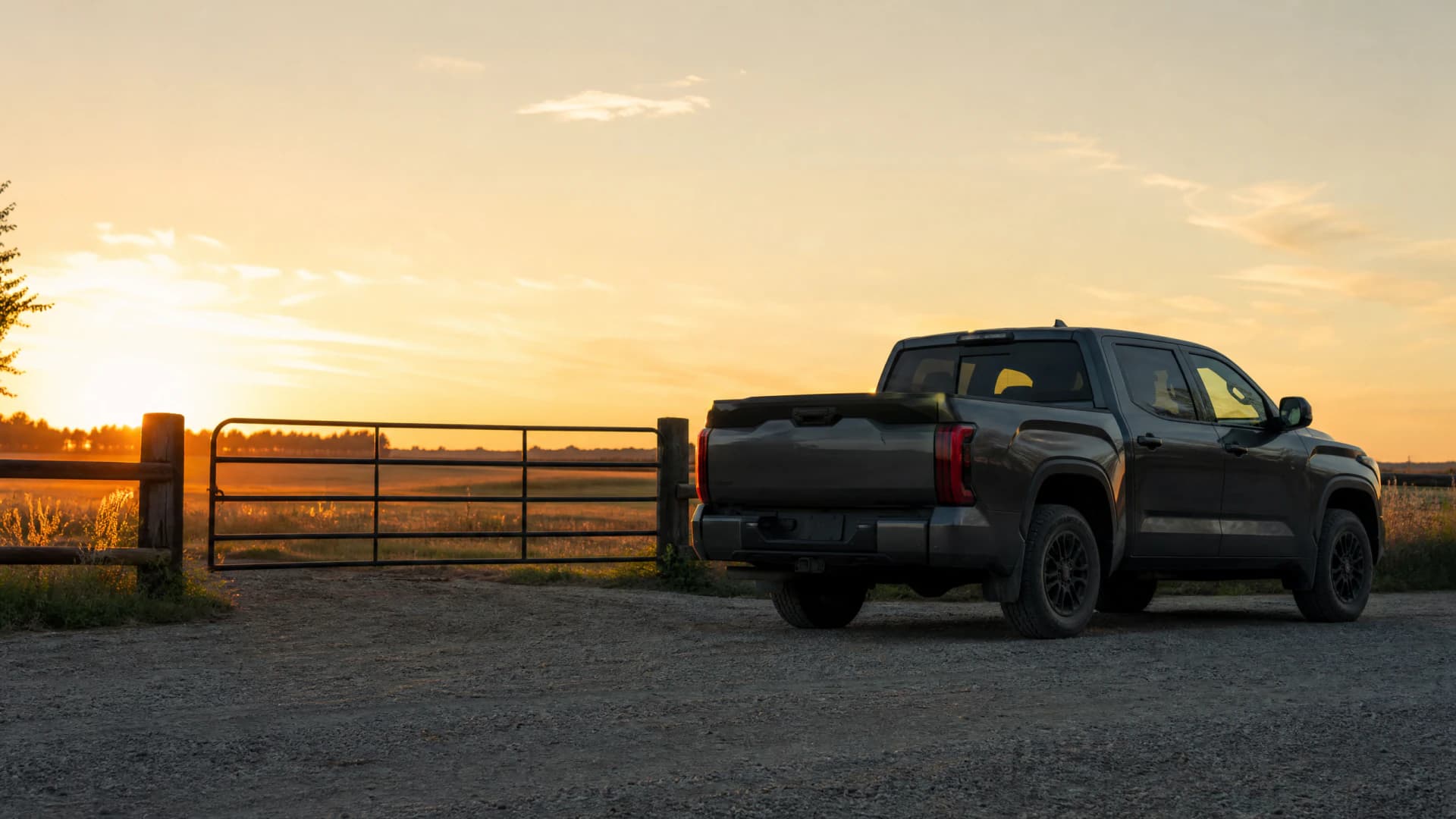
A vehicle titled to someone outside your policy does not count toward your multi-car discount, even if it is garaged at your address and driven by a household member.






When Combining Policies Saves Money and When It Does Not
Combining two separate policies into one multi-car policy usually lowers the total premium, but not always. If one household member carries a high-risk profile—a recent DUI, multiple at-fault accidents, or a suspended license—adding their vehicle to your policy can raise your premium more than the multi-car discount offsets. Missouri carriers rate every driver and every vehicle on the policy. A high-risk driver assigned to any vehicle on the policy affects the premium for all vehicles.
Newlyweds combining policies face this decision: keep two separate policies or merge into one. If both spouses have clean driving records and similar coverage needs, combining saves money. If one spouse has violations or a lapse in coverage, keeping separate policies may cost less until the high-risk period ends. Missouri does not require spouses to share a policy, but carriers require you to list all household members with licenses, and you must either add them as drivers or formally exclude them.
When a household member moves in with a vehicle, you must notify your carrier. Missouri carriers require you to add the vehicle to your policy or provide proof that the household member maintains separate insurance. If the household member's vehicle is titled to them and they carry their own policy, your multi-car discount does not apply to their vehicle. If you add their vehicle to your policy, the carrier re-rates the policy and applies the multi-car discount to the combined total.
20.7%
Missouri Uninsured Motorist Rate
One in five Missouri drivers operates without insurance. Uninsured motorist coverage protects you when an at-fault driver cannot pay for damage they cause. Missouri requires uninsured motorist coverage on every policy unless you decline it in writing, and the coverage applies to every vehicle on your multi-car policy.
Insurance Research Council, 2023
How Vehicle Count and Coverage Levels Interact
Insuring four vehicles on one policy costs more than insuring two, but the per-vehicle cost typically drops as you add vehicles. The multi-car discount increases with vehicle count, but the total premium rises because you are covering more assets. Missouri minimum liability—$25,000 per person, $50,000 per accident bodily injury, and $25,000 property damage—applies to every vehicle on the policy. If you carry higher limits or add collision and comprehensive coverage, those selections apply per vehicle and drive the total premium.
A household with one daily driver, one weekend car, and one rarely-driven classic faces a coverage decision: insure all three vehicles with the same coverage levels, or structure coverage by use. Missouri carriers allow you to carry liability-only on a vehicle you drive infrequently and full coverage on your daily driver. The multi-car discount applies to the combined premium regardless of coverage differences across vehicles. Dropping collision and comprehensive on a low-value or rarely-driven vehicle lowers the total premium without losing the multi-car discount.
Compare Carriers That Write Multi-Vehicle Policies in Missouri
Missouri licenses 27 carriers that write multi-vehicle policies, including State Farm, Geico, Progressive, Allstate, Farmers, Nationwide, USAA, Liberty Mutual, American Family, and Travelers. Each carrier structures the multi-car discount differently, and base rates vary by county, vehicle, and driver profile. A carrier offering the lowest rate for one vehicle may not offer the lowest rate for three. Compare quoted premiums for your specific household—vehicle count, coverage selections, and driver assignments—rather than relying on advertised discount percentages.
Request quotes from at least three carriers. Provide the same coverage levels, deductibles, and driver information to each. Missouri carriers require you to list every household member with a license, every vehicle titled to you or a household member, and the primary driver assigned to each vehicle. The quoted premium reflects the multi-car discount when you request coverage for two or more vehicles on the same policy. Compare the final quoted premium, not the discount percentage, to identify the lowest total cost for your household.
How Carriers Structure the Multi-Car Discount
Carriers like State Farm, Geico, Progressive, and Allstate all write multi-car policies in Missouri and offer multi-vehicle discounts, but the discount structure varies. Some carriers reduce the premium on the second and subsequent vehicles by a fixed percentage. Others apply a smaller percentage to the total combined premium. A smaller discount on a lower base rate can beat a larger discount on a higher one, so compare the final quoted premium across carriers rather than the discount percentage alone.
When you add a vehicle mid-term, the carrier re-rates the entire policy. The multi-car discount applies from the date you add the vehicle, but the premium increase reflects the added vehicle's value, coverage selections, and the driver assigned to it. Removing a vehicle mid-term also re-rates the policy. If you drop from three vehicles to two, the discount shrinks, and the per-vehicle cost rises. Missouri carriers prorate the premium adjustment to your next renewal date.
Get Your Free Quote
Get My Missouri Car Insurance QuoteFrequently Asked Questions
Does the multi-car discount apply if I insure two vehicles with the same carrier but on separate policies?
No. The multi-car discount applies only when you insure two or more vehicles on the same policy, with one policy number and one renewal date. Separate policies with the same carrier do not qualify for the multi-car discount, even if both policies cover vehicles in the same household.
Can I add my adult child's car to my policy to get the multi-car discount?
Yes, if the vehicle is titled to you or jointly to you and your child, and your child lives in your household. Missouri carriers require the named insured to have an insurable interest in every vehicle on the policy. If your child's vehicle is titled solely to them and they live elsewhere, they must carry their own policy.
What happens to my multi-car discount if I remove one vehicle mid-term?
The carrier re-rates your policy when you remove a vehicle. If you drop from three vehicles to two, the multi-car discount shrinks, and the per-vehicle cost rises. Missouri carriers prorate the premium adjustment to your next renewal date.
Do I lose the multi-car discount if one vehicle is garaged at a different address?
No. Missouri carriers do not require vehicles on the same policy to share a garaging address. The discount applies when every vehicle is titled to the named insured or a household member and listed on the same policy, regardless of where each vehicle is garaged.
Can I carry different coverage levels on each vehicle and still get the multi-car discount?
Yes. Missouri carriers allow you to carry liability-only on one vehicle and full coverage on another. The multi-car discount applies to the combined premium regardless of coverage differences across vehicles. Structuring coverage by vehicle use and value lowers the total premium without losing the discount.
Does combining my spouse's policy with mine always save money?
Not always. If one spouse has a high-risk profile—recent violations, accidents, or a lapse in coverage—adding their vehicle to your policy can raise your premium more than the multi-car discount offsets. Compare the combined premium to the cost of keeping two separate policies before merging.