
Uninsured Motorist Coverage — Missouri
Free to compare
What Uninsured Motorist Coverage Actually Pays
Uninsured motorist coverage pays your medical bills, lost wages, and other injury-related expenses when you're hit by a driver who has no liability insurance or whose carrier denies the claim. Missouri requires every auto policy to include uninsured motorist bodily injury coverage at minimum limits of $25,000 per person and $50,000 per accident — the same floor as the state's liability requirement. You can reject it in writing, but most households keep it because 20.7% of Missouri drivers are uninsured.
The coverage also applies when the at-fault driver flees the scene and is never identified, a scenario that leaves you with no liable party to pursue. In that case, your uninsured motorist coverage steps in as if the phantom driver had been caught and found judgment-proof. This dual function — covering both identified uninsured drivers and unknown hit-and-run drivers — makes it broader than many households realize when they first read the policy declaration page.
“One in five Missouri drivers has no liability insurance, making uninsured motorist coverage the only payment source for your injuries when they cause a collision.”
See What Missouri Drivers Pay for the Coverage They Need
Get My Missouri Car Insurance Quote20.7%
Missouri Uninsured Driver Rate
One in five Missouri drivers has no liability insurance. When one of them causes a collision, your uninsured motorist coverage is the only source of payment for your injuries unless you sue the driver personally and collect a judgment.
Insurance Information Institute, 2023
Bodily Injury Only — Property Damage Is Separate
Missouri's mandatory uninsured motorist coverage applies only to bodily injury: medical bills, lost income, rehabilitation costs, and pain and suffering up to your policy limit. It does not pay to repair your vehicle or replace personal property damaged in the collision. That's a separate optional coverage called uninsured motorist property damage, which Missouri does not require and many carriers offer as an add-on.
If an uninsured driver totals your car, your uninsured motorist bodily injury coverage pays nothing toward the vehicle. You file under your own collision coverage if you carry it, or you pay out of pocket and sue the at-fault driver in small claims or circuit court. The bodily injury and property damage components are distinct products with separate limits, and only the bodily injury piece is mandatory.
Households insuring multiple vehicles often assume one uninsured motorist limit covers all cars and all occupants in a single collision. It doesn't work that way. The per-person limit applies to each injured person individually, and the per-accident limit caps the total payout for all injuries in one collision. If three household members are injured in a hit-and-run and your policy carries $25,000 per person and $50,000 per accident, each person can claim up to $25,000, but the combined payout stops at $50,000 regardless of total medical bills.
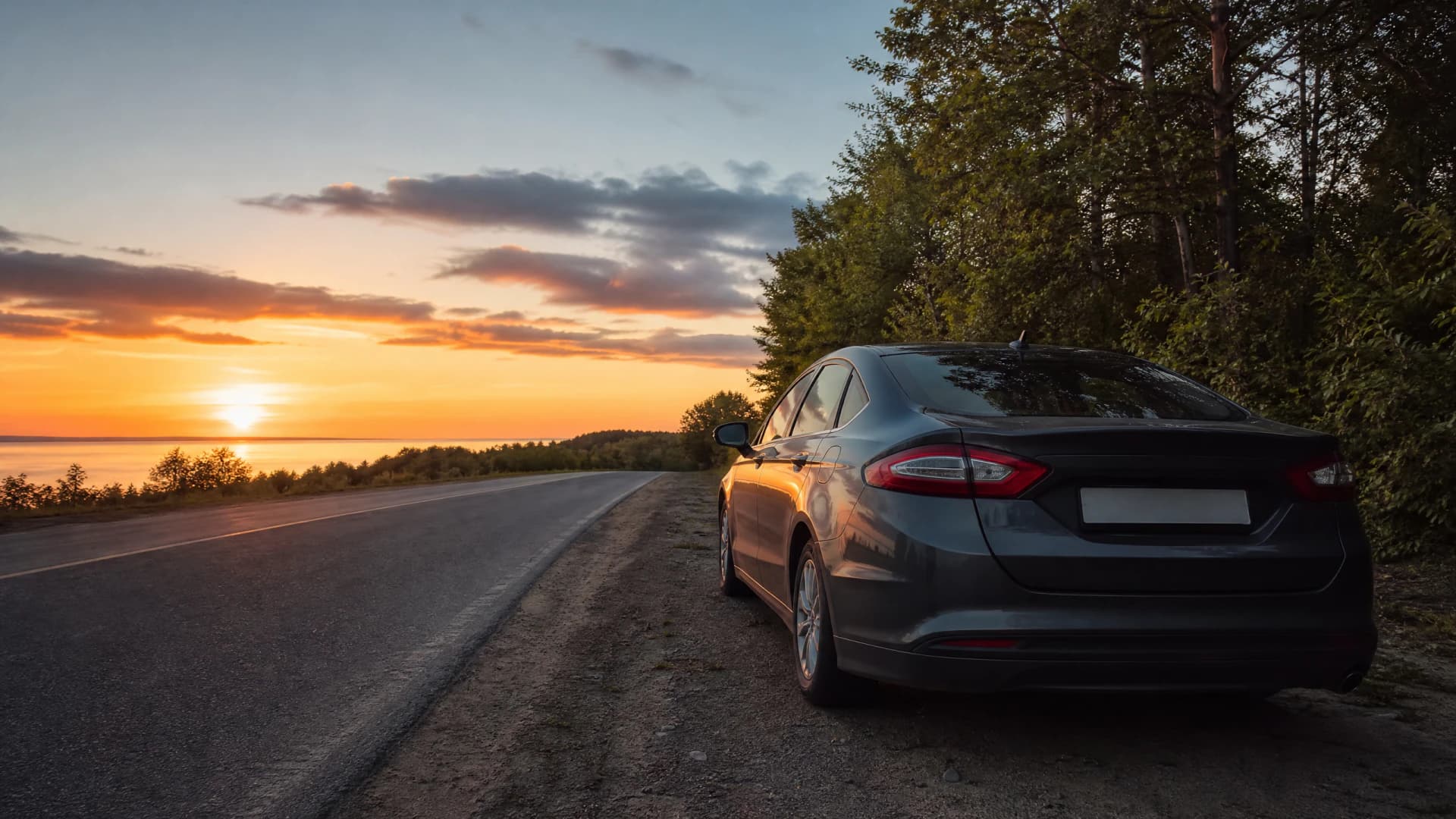
Uninsured motorist coverage does not repair your vehicle. It pays only for injuries. Vehicle damage requires collision coverage or a lawsuit against the at-fault driver.



Underinsured Motorist Coverage Fills the Gap Above Minimum Limits
Underinsured motorist coverage is a related but separate product that pays when the at-fault driver has liability insurance, but their limit is lower than your injury costs. Missouri does not require underinsured motorist coverage, but most carriers bundle it with uninsured motorist coverage at the same limit.
The underinsured piece applies only after the at-fault driver's liability policy pays its full limit. Your underinsured motorist coverage then pays up to the difference between their limit and your own limit, capped at your policy's per-person ceiling.
Households with multiple vehicles on one policy share the same uninsured and underinsured motorist limits across all cars. Adding a third or fourth vehicle does not increase the per-person or per-accident limit unless you request a higher limit at renewal. The limit you select applies to every covered person in every covered vehicle, but it does not stack — one collision triggers one set of limits, regardless of how many household cars were involved.
$25,000 / $50,000
Missouri Minimum Liability Limits
Missouri requires $25,000 per person and $50,000 per accident in bodily injury liability. Uninsured motorist coverage mirrors this floor, but households can buy higher limits to cover injury costs that exceed an at-fault driver's minimum policy.
Missouri Department of Revenue
Stacking and Non-Stacking Policies
Missouri allows stacking of uninsured motorist coverage when multiple vehicles appear on the same policy, but only if the policy is written with a stacking provision. A stacking policy lets you combine the per-person limits from each insured vehicle to cover a single injury. Non-stacking policies cap your recovery at $25,000 per person regardless of how many vehicles you insure.
Most Missouri carriers write non-stacking policies by default because they cost less. Stacking provisions increase the premium because they multiply the carrier's exposure. If you want stacking coverage, you must request it explicitly at the time you add a vehicle or at renewal. The choice applies to the entire policy, not to individual vehicles — you cannot stack coverage on two cars and leave the third non-stacking. Households adding a second or third vehicle mid-term should confirm whether their policy stacks before assuming the new vehicle increases their uninsured motorist limit.
Compare Carriers That Write Multiple Vehicles in Missouri
Uninsured motorist coverage is mandatory, but the limit you carry and whether the policy stacks are decisions you control. Households insuring two or more vehicles should compare how carriers structure uninsured and underinsured motorist coverage across multiple cars, whether stacking is available, and what the premium difference looks like between minimum limits and higher protection. Compare carriers that write your household's vehicles and confirm the uninsured motorist structure before you finalize the policy.
When the Coverage Applies
The first scenario is a collision where the at-fault driver is identified, liability is clear, and that driver has no active liability insurance. Your carrier verifies the lack of coverage through the Missouri Department of Revenue's insurance database or by contacting the at-fault driver's listed carrier. Once confirmed, your uninsured motorist coverage pays your injury claims up to your policy limit. You do not need to sue the driver first; the coverage applies immediately after verification.
The second scenario is a hit-and-run collision where the at-fault driver flees and is never identified. Missouri treats an unidentified driver as uninsured by definition. You file a police report documenting the collision and the driver's flight, then submit your injury claim under uninsured motorist coverage. The third scenario is when the at-fault driver's carrier becomes insolvent and cannot pay the claim. Missouri law treats an insolvent carrier the same as no carrier, so your uninsured motorist coverage steps in to cover the gap.
Get Your Free Quote
Get My Missouri Car Insurance QuoteFrequently Asked Questions
Does uninsured motorist coverage pay to fix my car in Missouri?
No. Missouri's mandatory uninsured motorist coverage pays only for bodily injury — medical bills, lost wages, and injury-related expenses. Vehicle damage requires collision coverage or uninsured motorist property damage coverage, which is optional in Missouri.
What happens if the at-fault driver has insurance but their limit is too low?
Underinsured motorist coverage pays the difference between the at-fault driver's liability limit and your injury costs, up to your own policy's underinsured motorist limit. Missouri does not require underinsured motorist coverage, but most carriers bundle it with uninsured motorist coverage at the same limit.
Can I stack uninsured motorist coverage across multiple vehicles in Missouri?
Yes, but only if your policy includes a stacking provision. A stacking policy lets you combine the per-person limits from each insured vehicle to cover a single injury. Most Missouri carriers write non-stacking policies by default; you must request stacking explicitly.
Does uninsured motorist coverage apply in a hit-and-run collision?
Yes. Missouri treats an unidentified hit-and-run driver as uninsured by definition. You file a police report documenting the collision and the driver's flight, then submit your injury claim under uninsured motorist coverage.
What is Missouri's minimum uninsured motorist coverage limit?
Missouri requires $25,000 per person and $50,000 per accident in uninsured motorist bodily injury coverage, matching the state's minimum liability limits. You can reject the coverage in writing, but most households keep it because 20.7% of Missouri drivers are uninsured.
Does adding a third vehicle to my policy increase my uninsured motorist limit?
Not automatically. The uninsured motorist limit applies to the entire policy, not per vehicle. Adding a vehicle does not increase the per-person or per-accident limit unless you request a higher limit or your policy includes stacking provisions.