
No-Fault Car Insurance — Missouri
Free to compare
Missouri Operates Under a Fault-Based Tort System
Missouri is not a no-fault state. The state uses a tort-based fault system where the driver who caused the accident is financially responsible for injuries and property damage. That driver's liability insurance pays for the other party's medical bills, lost wages, and vehicle repairs. You do not file a claim with your own insurer first unless you carry optional collision or medical payments coverage.
No-fault states require personal injury protection (PIP) coverage, which pays your own medical bills and lost wages regardless of who caused the crash. Missouri does not mandate PIP. The state requires bodily injury liability, property damage liability, and uninsured motorist coverage. These coverages protect you when you cause an accident or when an uninsured driver hits you, but they do not function as no-fault insurance.
“Missouri's mandatory uninsured motorist requirement protects you when the other driver has no insurance, not when you cause the crash.”

See What Missouri Drivers Pay for the Coverage They Need
Get My Missouri Car Insurance Quote$25,000 / $50,000 / $25,000
Missouri Minimum Liability Limits
Missouri requires $25,000 bodily injury per person, $50,000 bodily injury per accident, and $25,000 property damage. These minimums apply to every registered vehicle. Uninsured motorist coverage at the same limits is also mandatory unless you decline it in writing.
Missouri Department of Revenue, Driver License Bureau
What Missouri Requires You to Carry
Missouri law mandates three coverage types. Bodily injury liability covers medical expenses, lost income, and pain and suffering for people you injure in an at-fault accident. Property damage liability pays for damage you cause to another person's vehicle or property. Uninsured motorist coverage pays your medical bills and lost wages when an uninsured or underinsured driver hits you and cannot pay.
Uninsured motorist coverage is required at the same limits as your liability coverage unless you reject it in writing with your carrier. Most drivers keep it because 20.7% of Missouri motorists drive without insurance. If an uninsured driver causes a crash, your uninsured motorist coverage steps in where their liability policy should have.
Personal injury protection is available as an optional add-on in Missouri, but the state does not require it. PIP pays your medical bills and a portion of lost wages regardless of fault, similar to coverage in no-fault states. Drivers who want first-party medical coverage without filing a liability claim can add PIP to their policy, but it is not part of the state's minimum requirements.

Missouri's mandatory uninsured motorist requirement is often mistaken for no-fault PIP. They serve different purposes: UM covers you when the other driver has no insurance; PIP covers you regardless of fault.


Optional Coverages That Add First-Party Protection
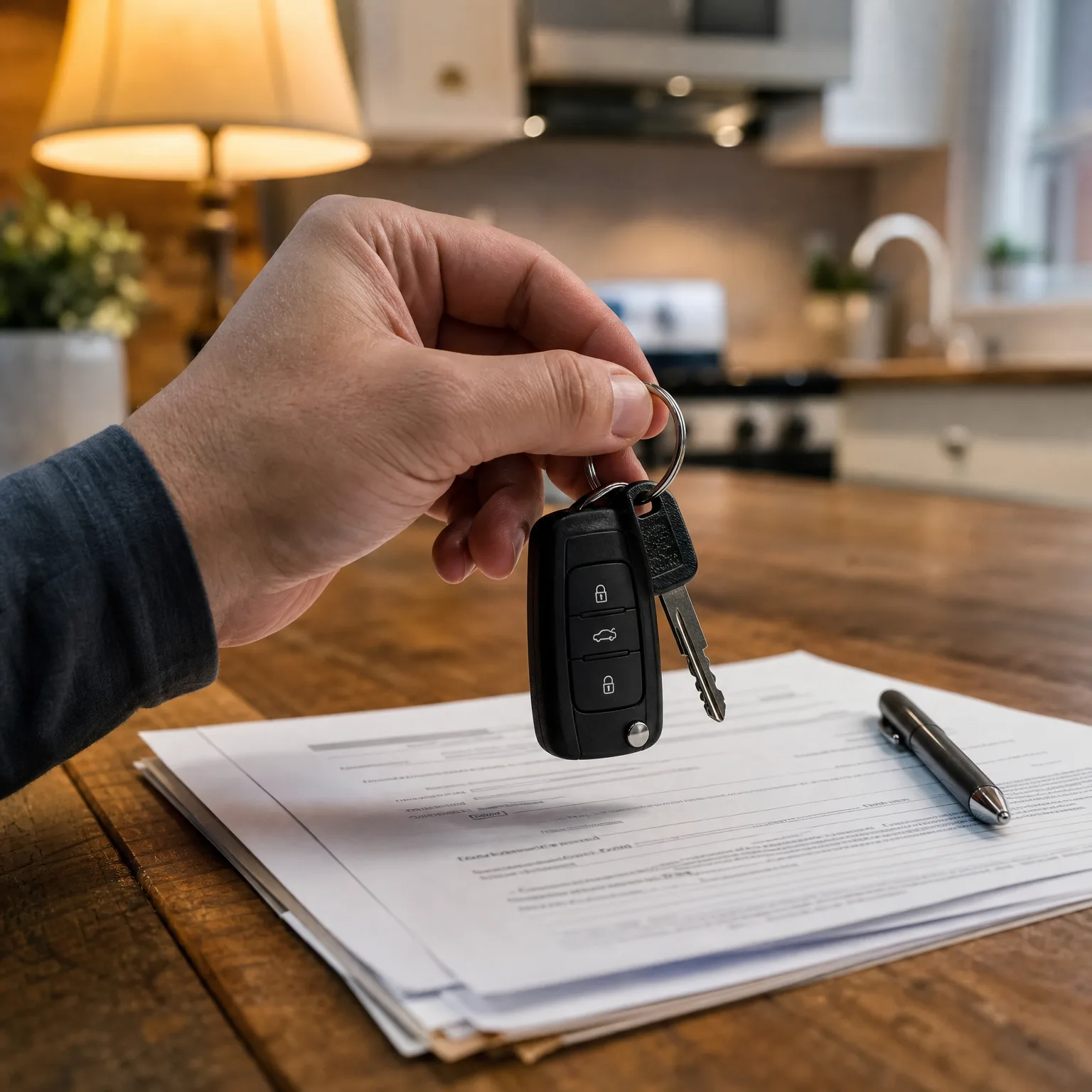
Full coverage in Missouri typically means liability plus collision and comprehensive. Collision pays for damage to your own vehicle after an at-fault accident or a crash where fault cannot be determined. Comprehensive covers theft, vandalism, hail, flood, and animal strikes. Neither is required by the state, but lenders mandate both if you finance or lease a vehicle.
Medical payments coverage (MedPay) is another optional first-party coverage. MedPay pays your medical bills and those of your passengers regardless of fault, up to your policy limit. It works similarly to PIP but does not cover lost wages or other economic losses. Drivers who want immediate medical coverage without waiting for a liability settlement often add MedPay to their policy.
Gap insurance and rental reimbursement are optional add-ons that address specific risks. Gap insurance pays the difference between your vehicle's actual cash value and your remaining loan balance if the car is totaled. Rental reimbursement covers the cost of a rental car while your vehicle is being repaired after a covered claim. Neither is required, and both add to your premium.
20.7%
Missouri Uninsured Motorist Rate
More than one in five Missouri drivers operates without insurance. Uninsured motorist coverage is your financial protection when an at-fault driver cannot pay for the damage they caused. The state requires it at the same limits as your liability coverage unless you decline in writing.
Insurance Information Institute, 2023
Proof of Insurance and Registration Requirements
Missouri requires proof of insurance to register a vehicle and to renew registration. Acceptable proof includes an insurance ID card issued by your carrier, an SR-22 certificate if required by the state, or electronic proof displayed on your phone. The Department of Revenue maintains an electronic insurance verification system that confirms coverage when you register or renew.
If you let your insurance lapse, the Department of Revenue suspends your registration and plates. Driving without insurance is a misdemeanor in Missouri and can result in fines, license suspension, and vehicle impoundment.
Compare Carriers That Write Missouri Liability and Uninsured Motorist Coverage
Twenty-two carriers write auto insurance in Missouri, including Allstate, American Family, Farmers, Geico, Progressive, State Farm, and USAA. Most offer online quotes; some require a broker. Rates vary significantly by carrier, county, driving history, and vehicle. Comparing quotes from multiple carriers is the most reliable way to find coverage that meets Missouri's requirements at a rate that fits your household budget.
When you compare, confirm that each quote includes the state-required minimums: $25,000 / $50,000 / $25,000 liability and matching uninsured motorist coverage. If you insure multiple vehicles, ask whether the carrier offers a multi-car discount and whether it applies when all vehicles sit on the same policy. Some carriers reduce the per-vehicle rate when you add a second or third car; others do not. The discount structure and base rate together determine your total household cost.
How Fault Determines Which Insurance Pays
When you cause an accident, your bodily injury and property damage liability coverages pay for the other driver's medical bills, vehicle repairs, and related expenses up to your policy limits. If their damages exceed your limits, they can sue you personally for the difference. This is why many drivers carry higher limits than the state minimum — $25,000 per person does not cover severe injuries in most crashes.
When another driver causes the accident, you file a claim against their liability insurance. If they carry adequate coverage, their insurer pays your medical bills, lost wages, and vehicle repairs. If they are uninsured or underinsured, your uninsured motorist coverage pays instead. Missouri does not require you to file with your own insurer first, and you retain the right to sue the at-fault driver for damages their insurance does not cover.
Get Your Free Quote
Get My Missouri Car Insurance QuoteFrequently Asked Questions
Does Missouri require no-fault insurance?
No. Missouri operates under a tort-based fault system where the at-fault driver's liability insurance pays for injuries and damage. The state does not require personal injury protection (PIP), which is the hallmark of no-fault states.
What is the difference between uninsured motorist coverage and no-fault PIP?
Uninsured motorist coverage pays your medical bills and lost wages when an uninsured or underinsured driver hits you. PIP pays your medical bills and lost wages regardless of who caused the crash. Missouri requires uninsured motorist coverage but does not require PIP.
Can I add PIP to my Missouri auto policy?
Yes. Personal injury protection is available as an optional add-on in Missouri. It pays your medical bills and a portion of lost wages regardless of fault, but the state does not mandate it as part of minimum coverage requirements.
What happens if I cause an accident in Missouri?
Your bodily injury and property damage liability coverages pay for the other party's medical bills, vehicle repairs, and related expenses up to your policy limits. If their damages exceed your limits, they can sue you personally for the difference.
What happens if an uninsured driver hits me in Missouri?
Your uninsured motorist coverage pays your medical bills, lost wages, and other damages up to your policy limits. Missouri requires uninsured motorist coverage at the same limits as your liability coverage unless you decline it in writing.
How do I prove insurance when I register a vehicle in Missouri?
You can show an insurance ID card issued by your carrier, an SR-22 certificate if required, or electronic proof on your phone. The Department of Revenue verifies coverage electronically when you register or renew.
What is the penalty for driving without insurance in Missouri?
Driving without insurance is a misdemeanor. Penalties include fines, license suspension, registration suspension, and potential vehicle impoundment.